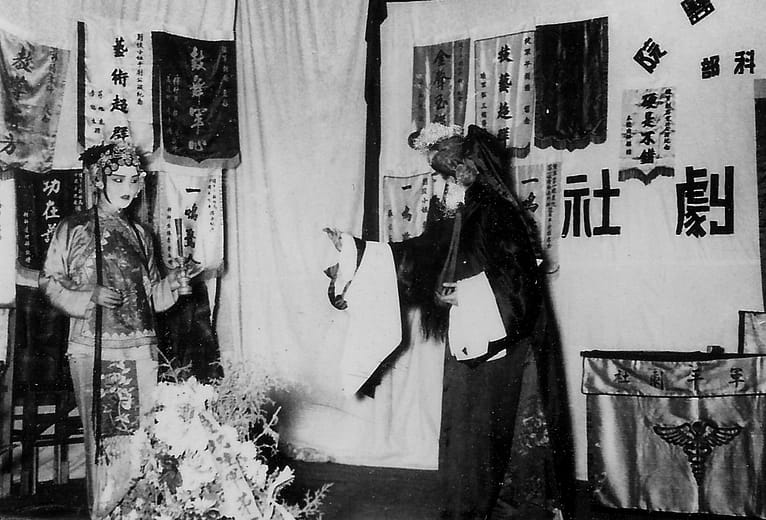
“After the outbreak of the August 23rd Artillery Battle, situation grew intense and the pressure was immense. My husband got so stressed that he started to suffer from severe insomnia. His body weight dropped continuously from over 70 kilograms and he could not find rest at night. At that time, he was stationed in Kinmen. Due to his deteriorating condition, he was swiftly sent back to Taiwan by plane and was admitted to the hospital in Beitou. He endured more than 280 days of agonizing insomnia. After properly resting at the hospital, he slowly recovered. After a while, Dr. Kuo, the director of the hospital, invited him to work as a general administration officer at the director’s office. He served as the secretary of the director, helping him handle official documents and matters, and that was how he began to work at the hospital.” - Zheng, Xing-Wan (Born in 1934)
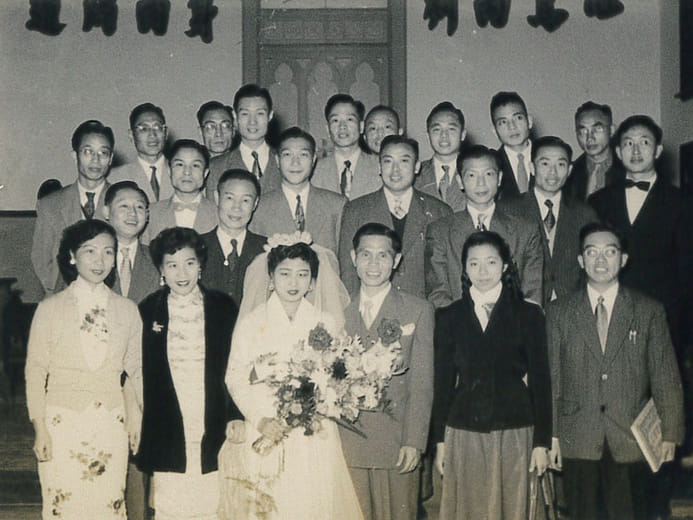
“I worked as various roles at the hospital. Initially, I was assigned to manage the food warehouse and later the weapon warehouse. Keeping weapons was the most terrifying duty ever. I was the only one in charge, so if someone came to cause trouble at night, it would be very dangerous. Even worse, if the weapons were stolen, I might be executed. Therefore, I always had two loaded handguns with me when I slept. I also spent my own money to buy wire mesh, nailing it over the windows. If a thief tried to break in, the noise would wake me up. I rarely went out at night to avoid things being stolen while I was away. The condition improved after we got a locked iron box to keep the weapons and had guards standing outside. After a while, I was transferred to work in the kitchen. I had to cook for everyone, preparing meals for over 300 people. The pots were as big as tables. I was really good at cooking. I would cook for weddings and parties at the hospital. They would give me a menu and request what dishes they wanted. I would go to the market the day before to buy ingredients. Whenever there was a wedding banquet held at the hospital, every colleague would lend a hand. It was costly to host weddings at regular restaurants, so most villagers chose to celebrate at the hospital. We cooked everything ourselves and saved a lot of money.” - Gu, Huang-Sheng (Born in 1926)
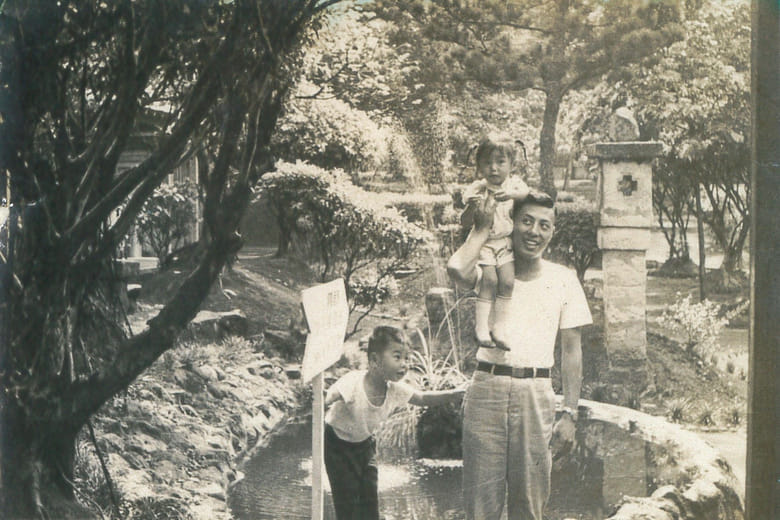
“My parents’ first destination upon arriving in Taiwan was Kaohsiung. They did not arrive together. While serving in the military, my father obtained a pharmacist license through taking an examination. He was later transferred to the Army 801st General Hospital. There were some issues in my family, resulting in the frequent absence of my father. We did not understand much about him and only knew that our mother worked tirelessly to raise four children. Occasionally, we received financial support from relatives in Hong Kong. My mother later worked at the daycare center of the hospital. After working there for the whole day, she had to take care of her own children at home. She also did side jobs like doing embroidery. That was how she raised not only us but also other children in the village.” - Ren, Xiao-Ru (Born in 1950)
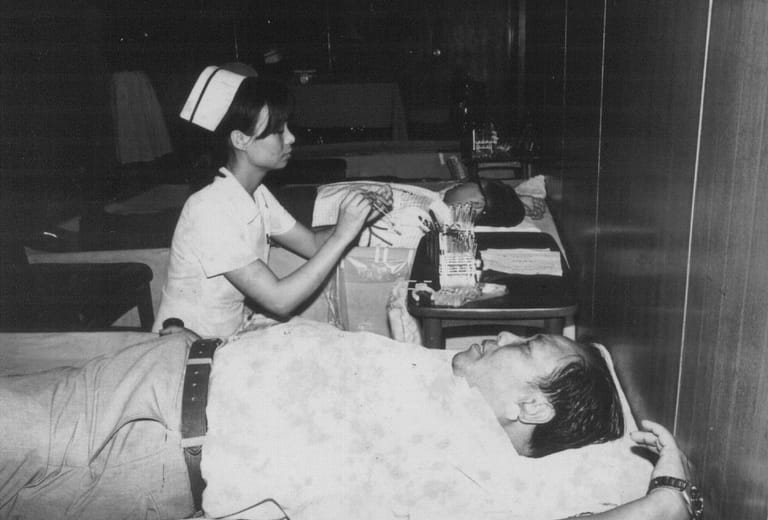
“My father was originally a doctor but he got sick and developed acute pneumonia. He did not have a choice and switched to the field of rehabilitation. My mother, on the other hand, was a nurse. Nurses had to intern in various departments. After she interned in the operating room, they asked her to stay in the team because she was a speedy worker and could withstand the scolding from the doctors. She then stayed in the operating room, eventually becoming a head nurse. I grew up in the operating room. Since I was little, I would peek through the door and see how the doctors conduct surgeries. I even saw doctors coming out of the room, yelling, ‘Why isn’t the blood here?’” - Li, Xiao-Xuan (Born in 1959)
“Our mails were sent to the hospital. There was a sergeant in charge of sorting and delivering the letters to the village like a postman. Sometimes, we went to collect the letters too. For example, when it was about time for school to send out the report cards, we would go and see if they had arrived. At that time, we did not need to pay for water and electricity as they were covered by the hospital. It was only later that they started to install water and electricity meters.” - Wu, Xue-Zhen (Born in 1945)