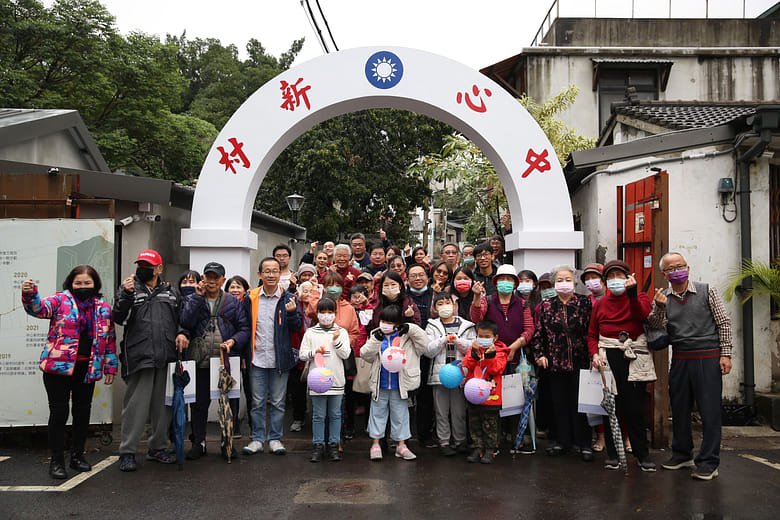
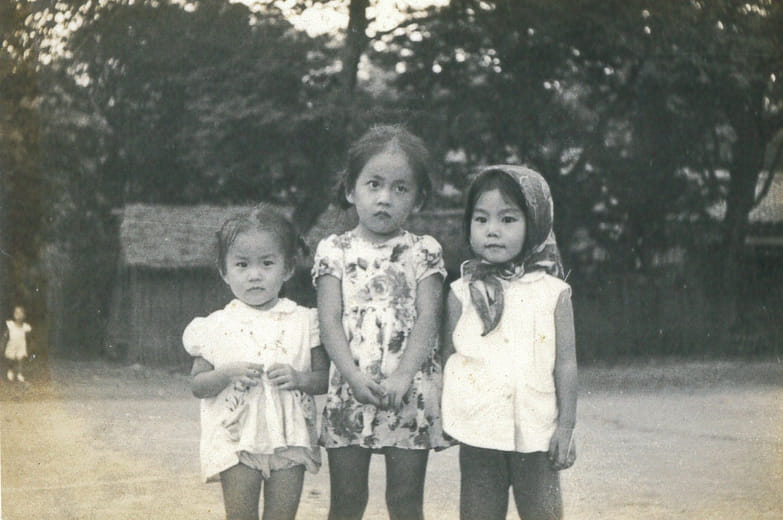
The first batch of houses in Heart Village were the ones built during the Japanese colonial period. Since there were too many people applying to live there, each house were divided into 2 to 4 units and allocated to different families. Around the houses, residents used bamboo fences to create their own yards. The size of each yard depended on how much space they wanted.
With spacious yards, the residents planted vegetables and fruit trees, such as oranges, papayas, grapes, pomelos, starfruit, mangoes, loquats, Assam lemons, Japanese bananas, cinnamon, pomegranates, guavas, etc.They also cultivated flowers like Epiphyllum, Osmanthus, Japanese camellia, Chinese toon, etc. and raised livestock like chickens, ducks, geese and goats. While their lives were not so affluent, they were self-sufficient. At times, the residents would even get creative and add flowers into their dishes, creating innovative dishes like Epiphyllum sweet soup and Chinese toon leaves scrambled eggs.
The area you are at is the Garden with Edible Plants, maintained by Heart Village’s volunteers. The aromatic plants not only serve as ingredients for cooking but also as materials for making tea and art creations, preserving the practical and self-sufficient lifestyle of the military dependents’ village.