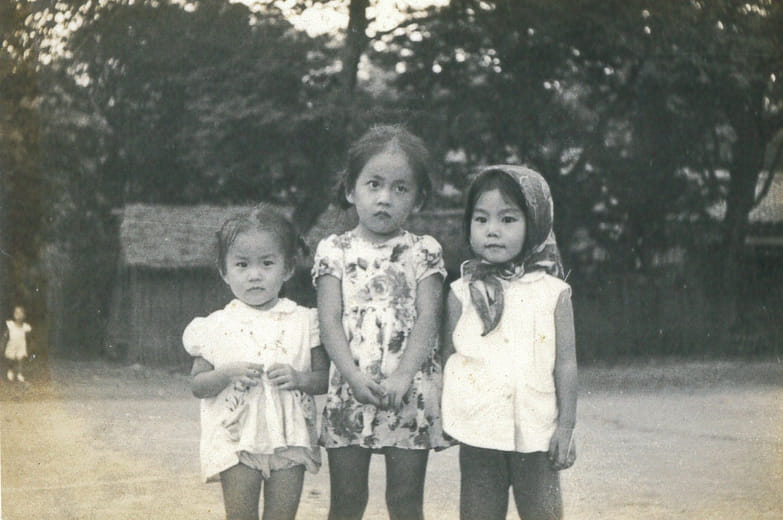
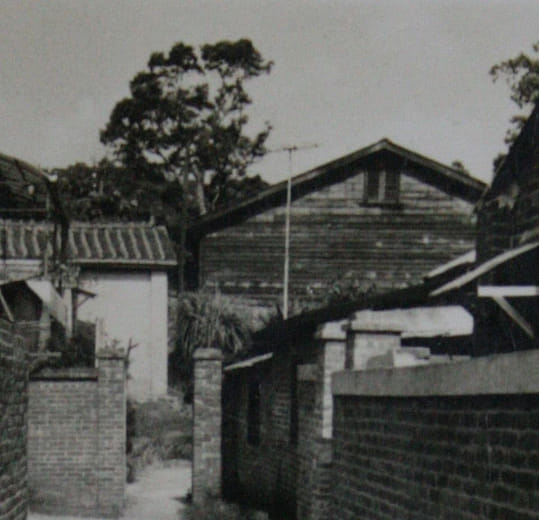
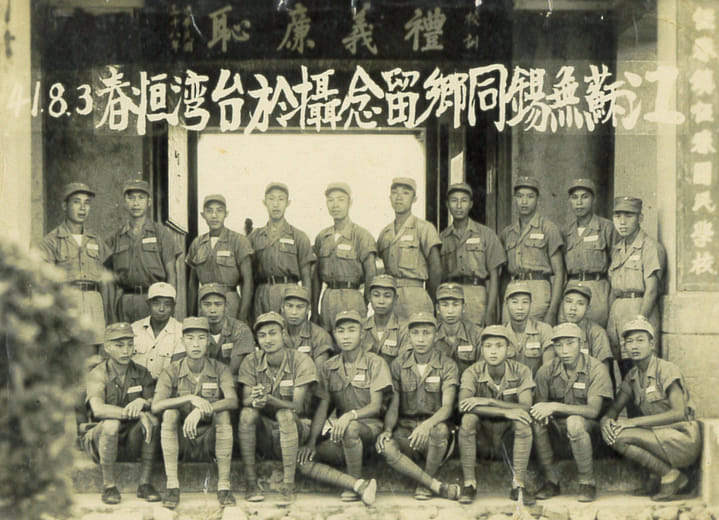
With its unique culture and way of life, women who married and moved into the village often faced quite a lot of challenges. A resident of Heart Village, Su, Yue-Mei, said that she had a tough time adapting when she first married her husband and moved to the village. She felt distant from her neighbors who she did not know very well. The adjustment was especially challenging because her husband was deployed to Vietnam soon after they got married, leaving her to manage the household alone. What was worse, Heart Village was far away from stores and markets, so she had to go down the hill to buy groceries, which was physically demanding.
Don’t Marry a Mainlander!
Due to the constant conflict between local Taiwanese and Mainlanders and the worries that their daughters might be taken to Mainland China, interethnic marriages often encountered objection. To make it happen, the couple needed to go through challenges. A resident of Heart Village, Zheng, Xing-Wan, renounced what happened when she introduced her husband to her family before getting married. While her grandmother supported the marriage because she thought he seemed kind and had a good heart, her father strongly opposed. It was only later, after he noticed that the job in the military was stable and decent, that he reluctantly gave his consent.
Build Their Own Homes
Finding suitable accommodation after getting married was a significant concern for military personnel. Living in the military dormitory did not seem appropriate and renting a place could be really expensive. Applying for housing in the military dependents’ villages was a common option but the availability often depended on military rank. A resident of Heart Village, Tang, Qun, mentioned that after getting married, he rented a place near the entrance of Heart Village with some other people. However, after he had children, the living space became insufficient. He later learned that it was possible to apply for land in the village to build his own house. As a result, he decided to go for it, even handling the plumbing and electrical work himself.
Coming to Taiwan on the Same Ship
Back then, most military personnel coming to Taiwan relied on introductions from relatives or friends to find potential partners. However, there were also romantic love stories. A resident of Heart Village, Fu, Ai-Ying, said that her husband, Dr. Kuo, Shu-Wui (who later became the director of the military hospital) and she took the same ship to Taiwan. They did not know each other at that time. It was not until Fu did her internship at the psychiatry department of National Taiwan University Hospital that she knew Kuo, who often had meetings there. They later both worked at the newly established psychiatry department in Beitou. They met almost every day and eventually got married.
Finding all Means to Avoid the Marriage Ban
Restrictions of the Act of Marriage for Military Personnel could not stop the desire of the soldiers to start families. As a result, there were stories of people postponing the household registration for children or modifying their age to evade limitations. A resident of Heart Village, Tan, Zun-Chang, shared how he got married in 1955. At that time, the minimum age for marriage was set at 28 years old. In order to get married, he altered his birth year from 1929 to 1925.