Longing for Home: Unable to Return Home, Unable to Build New Families
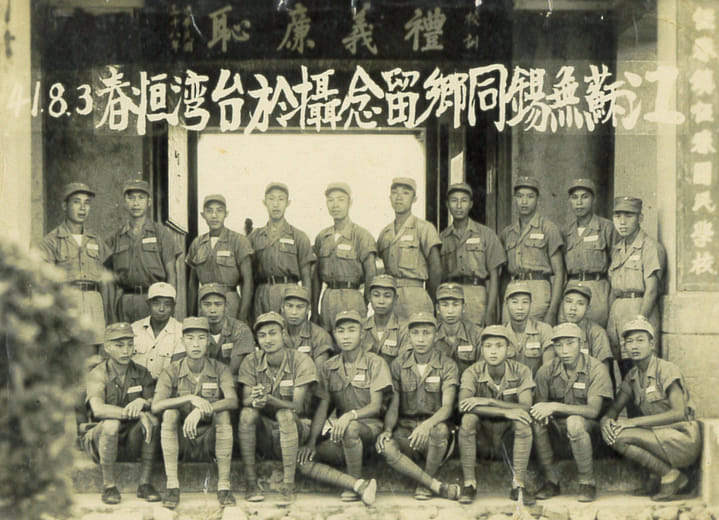
After retreating from Mainland China to Taiwan, the soldiers mostly led lonely lives as they were unable to return home and unable to build new families. Many of their relatives did not retreat with them to Taiwan and continued to live in Mainland China. At that time, communication between the two sides was difficult, requiring indirect ways like sending letters through Hong Kong to reach their families. During the 1950s, a time full of suspicion and nervousness, even shortwave radios were prohibited. However, some residents in Heart Village, missing home, still secretly listened to the radio stations of Mainland China and hoped to hear news about their loved ones or their hometown.
In 1952, to ensure that soldiers could focus on their military duties, the government enacted the Act of Marriage for Military Personnel. The regulations, commonly known as the “marriage ban,” placed restrictions on the marriage rights of military personnel. As a result, many soldiers missed the average age of getting married and ended up with marriages having big age differences. There were also tragedies like couples forced to break up and the soldier ending his life.
The cross-strait family visit restrictions were finally lifted in 1987. The soldiers, after waiting for decades, could finally go back home but only to find that everything had changed. These sad stories reflect the period of time in which nobody could take control of their own lives.