This content is not yet available in your language (English)
Intro
Name
The Customs Museum
The Customs Museum was established in 1996, shouldering the important mission of preserving customs artifacts and disseminating related knowledge.
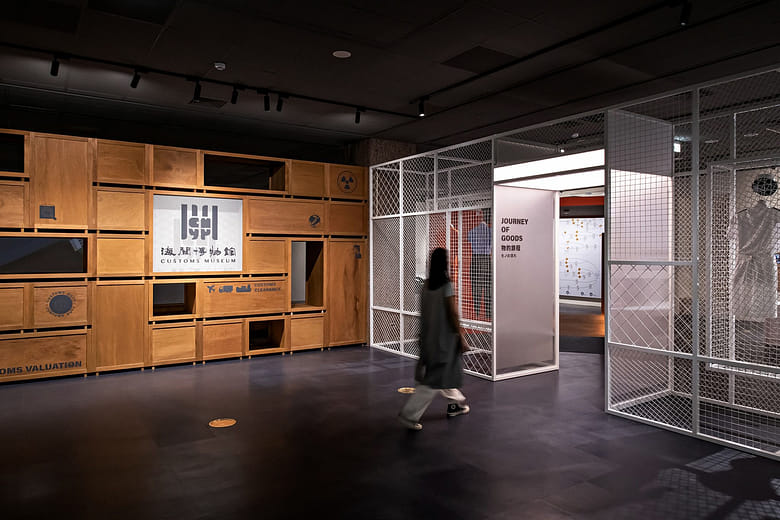
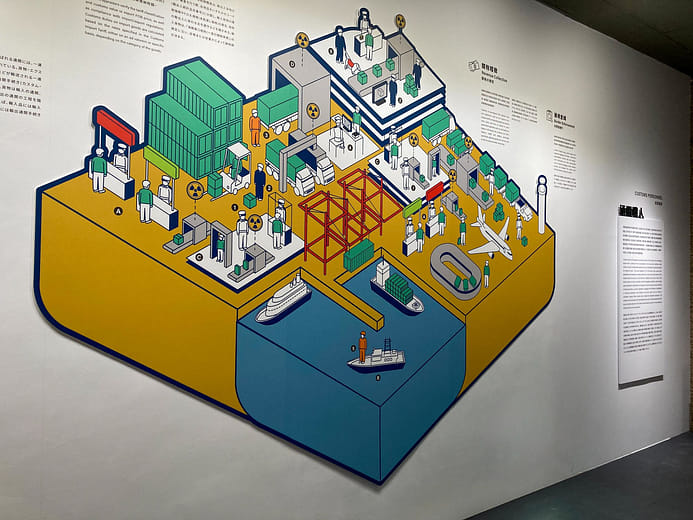
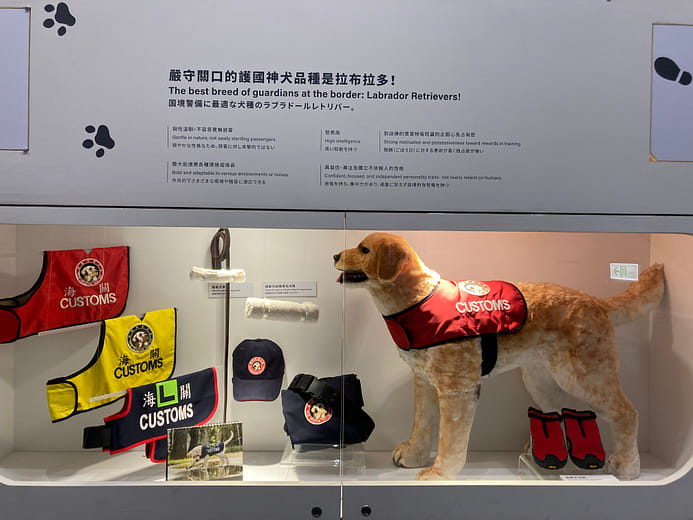
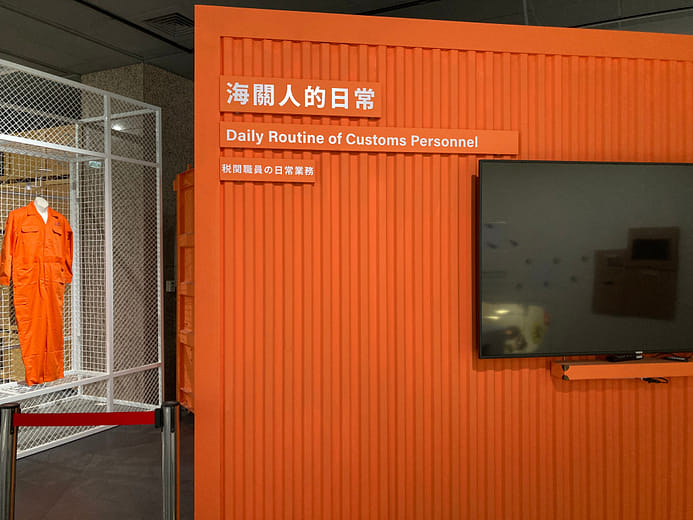
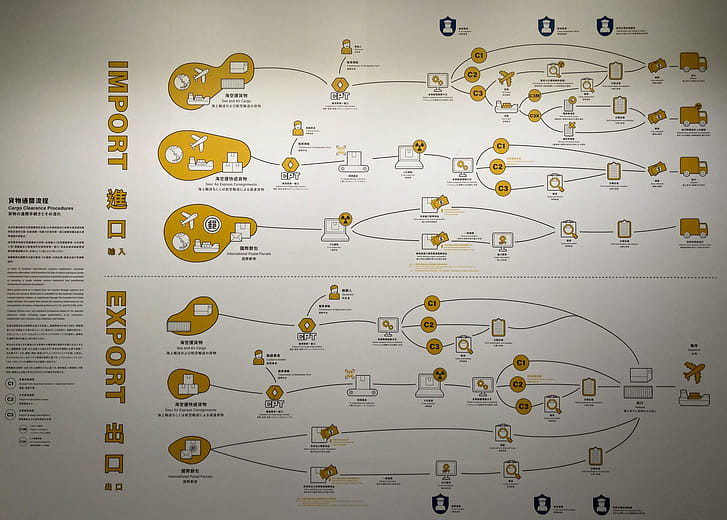
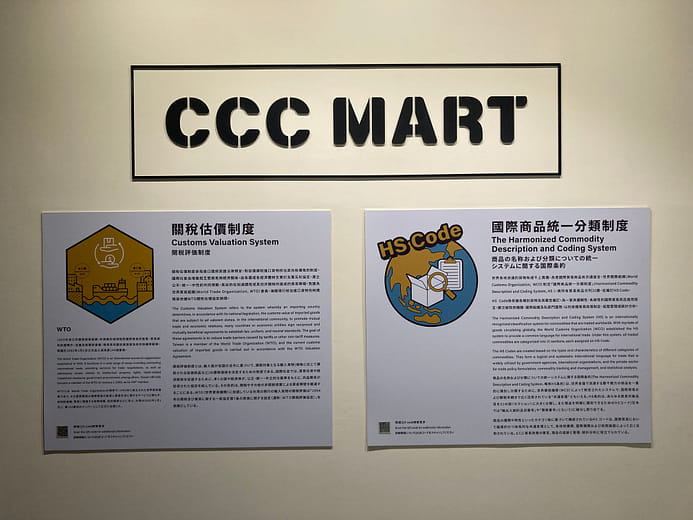
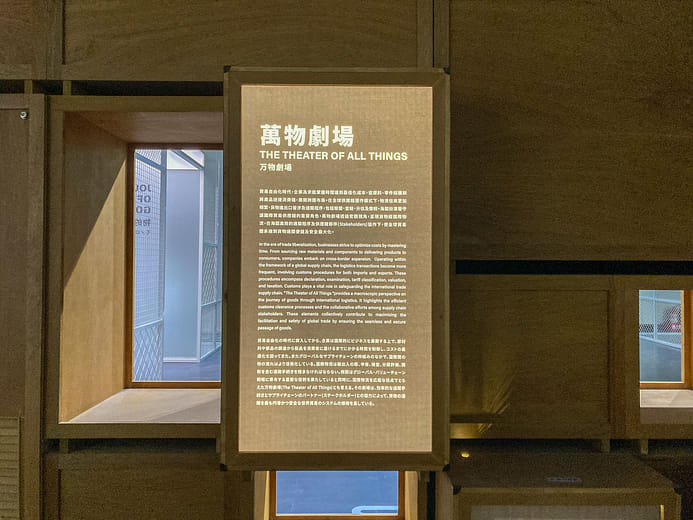
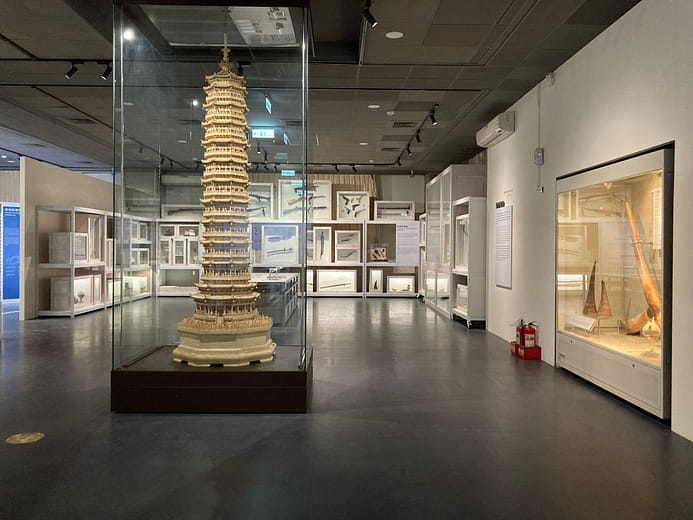
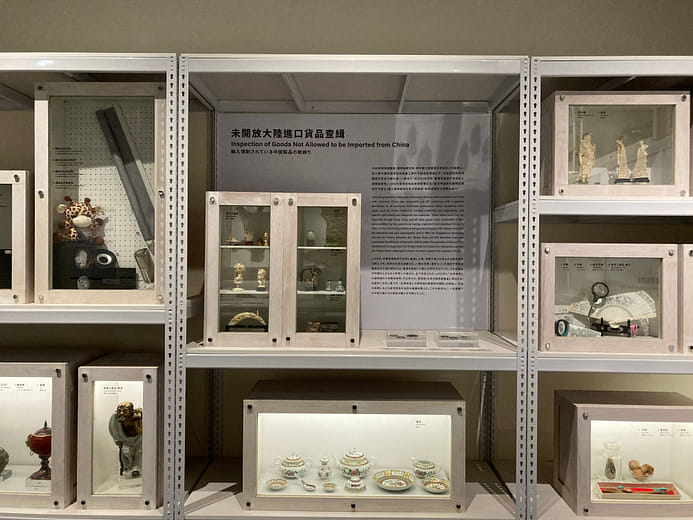
The first-floor gallery centers on the concept of "Journey of Goods," featuring six themed sections: the Prologue Hall, Customs Personnel, CCC Mart, The Theater of All Things, Border Archives, and the Particular Exhibition Hall. Through the import and export clearance journey of "goods," visitors gain a deeper understanding of how Customs operates.
The second-floor gallery is organized around the theme of "Connecting the World," featuring five sections: A Century of Stories, Customs Vessels, Lighthouse Memories, The Evolution of Customs Clearance, and Global Customs Affairs. These sections narrate stories spanning from the past to the present day, and trace the evolution of various systems over time.
The highlights of this exhibition lie not only in the diversity and interactivity of its displays, but also in the cultural significance it conveys. The Customs Museum is no longer merely a static venue for artifact exhibition—it has become a living laboratory for exploring customs culture, encouraging deeper dialogue between visitors and the exhibits on display.
Customs was established in the fourth year of the Xianfeng reign of the Qing dynasty (1854) and has a long history. In addition to its fiscal function of enriching the national treasury and its economic function of promoting economic development, Customs also serves a border guardian role in combating illegal activities and maintaining social security. In order to ensure the permanent preservation of the artifacts documenting Customs' growth, the idea of establishing the Customs Museum was first discussed in 1987 (the 76th year of the Republic of China), leading to the formation of a preparatory committee. After ten years of preparation, the new Customs Building was completed in 1996 (the 85th year of the Republic of China). On November 14 of the same year, the Customs Museum and the Customs Building were inaugurated simultaneously and opened free of charge to the general public.
The Customs Museum is located in the historic Dadaocheng district. In the mid-nineteenth century, when Taiwan opened its ports to trade, Dadaocheng was incorporated into the global trading system, and by the twentieth century it had gradually developed into a hub connecting sea and land routes linked to the railway network. The surrounding area of the Customs Administration, Ministry of Finance building—where the Customs Museum is housed—includes numerous historic sites and attractions such as the Dadaocheng Wharf, Beimen (North Gate of Taipei), the former Taiwan Governor-General's Office Railway Department, the Mitsui Warehouse, the Taipei Post Office, and the former Osaka Shosen Kaisha Taipei Branch. All of these are closely related to the globalization represented by Customs. In 2022 (the 111th year of the Republic of China), one hundred selected items from the museum's collection were integrated with contemporary digital technology for a renewed presentation. On November 15, 2024 (the 113th year of the Republic of China), the Customs Museum reopened in an entirely new form, presenting the history of Customs and its year-round work and services from a fresh perspective, aspiring to create a knowledge exploration space that combines the functions of collection, experience, and education.