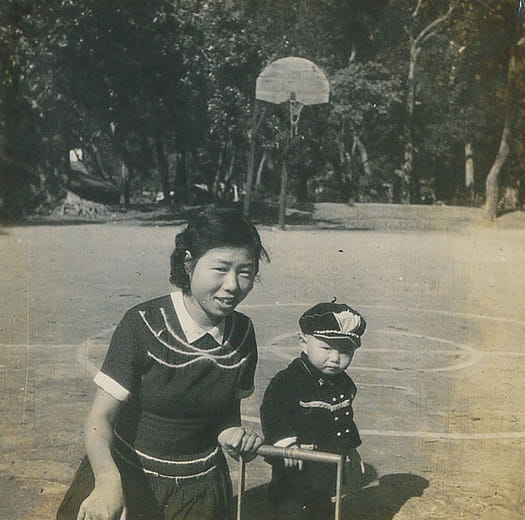
In the 1970s, the idea of “living room as a factory” was prevalent. Mothers in Heart Village would engage in home-base piecework, such as assembling toys, embroidering on sweaters or putting together electronic components. Life in the military dependent villages was not affluent and the salaries from military and hospital jobs often fell short of supporting a household. Therefore, their spouses often had to run side jobs. Some would help neighbors with laundry, child-rearing and house cleaning. Some would take on temporary jobs like cooking for Taipei Municipal Xin Min Junior High School.
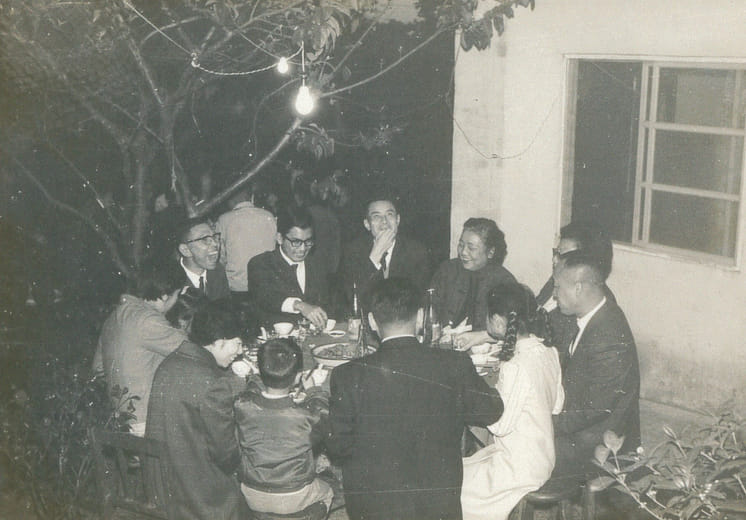
In addition to working together, the neighbors, having close relations, would also help each other out when needed. They often invited neighbors’ children for meals and they would also share ingredients and recipes. There was even a “mutual aid group” for the women in Heart Village to support each other in financial matters.
The Ration Card that Fed the Family
In the past, residents in Heart Village received monthly rations including rice, flour, oil, salt and coal, distributed according to the number of people in each household. Sometimes, they would even receive nutrition biscuits. At first, these supplies were delivered by bullock carts and later, trucks took over the task. When the delivery person arrived, he would call out, “Come get your rice! Military rations!” The residents would bring their ration cards and containers to collect the rations. After everyone got their supplies, the empty rice and flour sacks were often used to make underwear and clothing.
The Joy of Life: Mahjong
Mahjong was one of the most common leisure activities in Heart Village. Even residents who were less sociable would not miss out. Chatting and playing mahjong was a common sight in Heart Village. Some might even become so addicted that they would spend all of their weekends playing, making their spouses mad.