This content is not yet available in your language (English)
Intro
Name
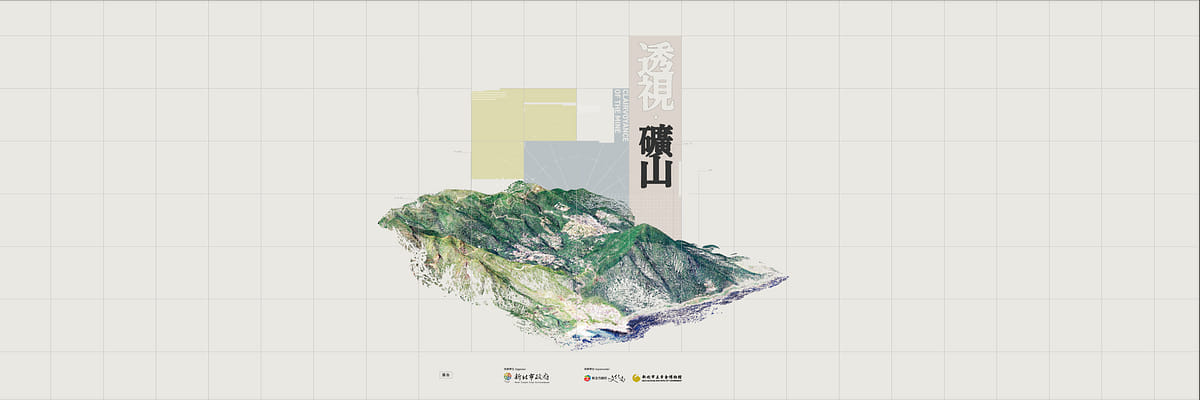
Clairvoyance of the Mine
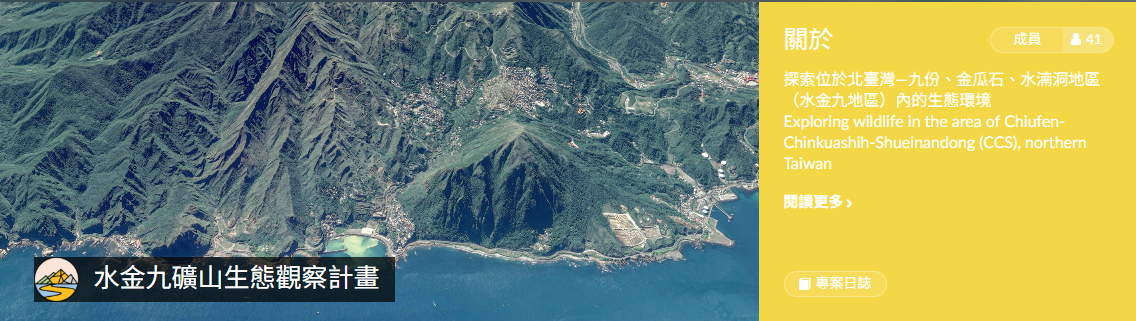
The topography of the mine is woven together by geological features and climatic conditions. The exhibition,Clairvoyance of the Mine, invites visitors to learn about the geological environment through layers of perspectives. It begins with a broad view of the terrain, showing how geography gives rise to the region’s distinctive geology and climate. It then shifts to a closer look at mountains, waterways, ecosystems, and settlements, uncovering the intricate links between geology, ecology, and culture. Ultimately, the exhibition asks us to consider how we might build a sustainable relationship with the mine and its environment.
The Gold Museum ( hereinafter referred to as the Museum ) is the first museum in Taiwan with the concept of an eco-museum. Since its opening in November 2004 , it has been committed to combining community efforts to properly preserve the precious natural ecology, mining sites, landscapes, historical memories and cultural assets of the Jinguashi and Shuinandong areas.
New Taipei City's 2030 cultural vision is driven by "new aesthetics" and features five aesthetic corridors . Our museum is located in the "Golden Mountain City - Mining Culture" aesthetic corridor. In 2020 , we established the vision of "Centennial Landscape, Sustainable Environment" with two goals, four strategies, and twelve implementation plans, all aimed at building a beautiful mountain city.
The two project goals are "preservation and revitalization, value enhancement" and "cultural reconstruction, beautification of the mountain town," as explained below:
I. Preservation and revitalization enhance value.
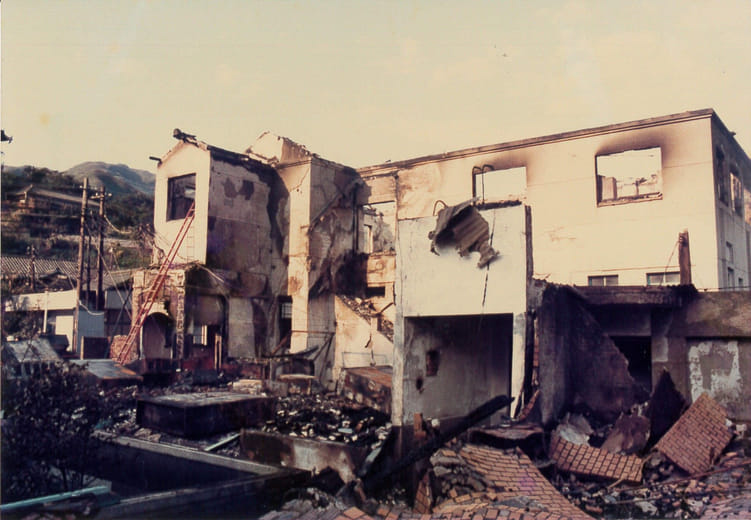
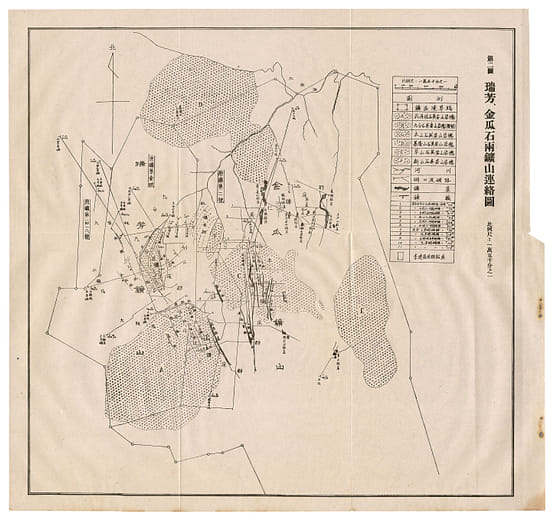
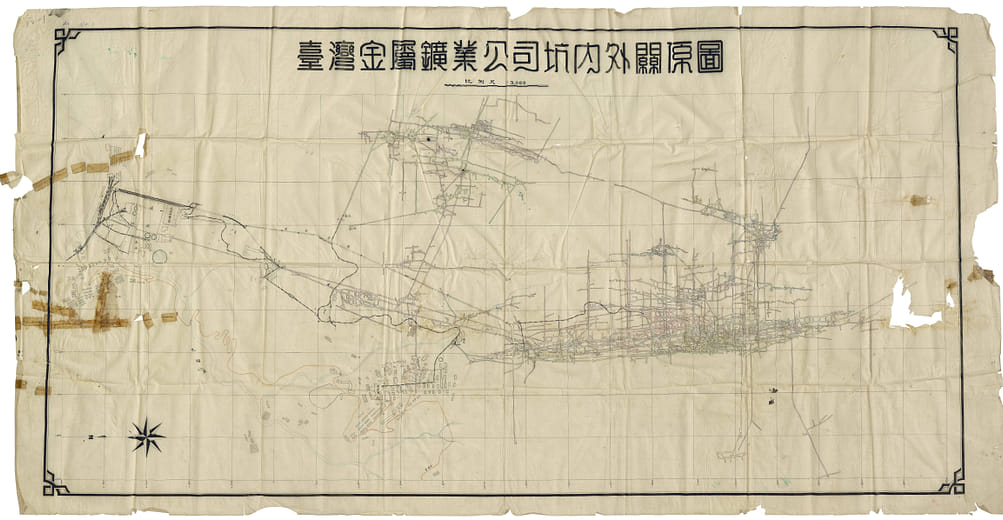
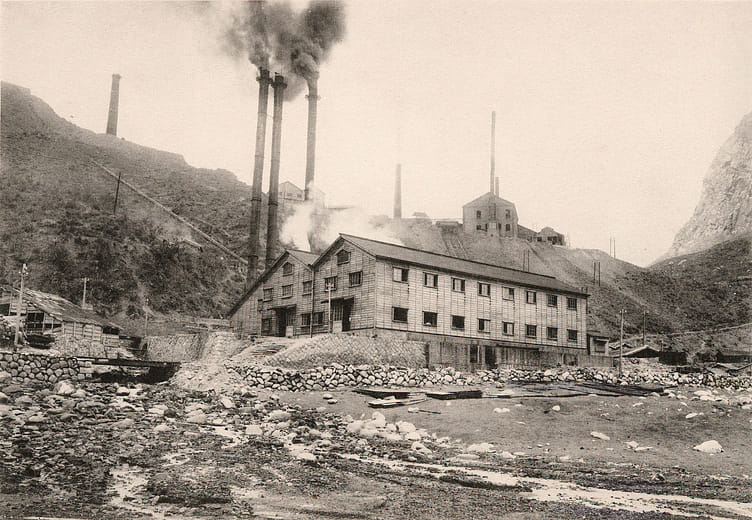
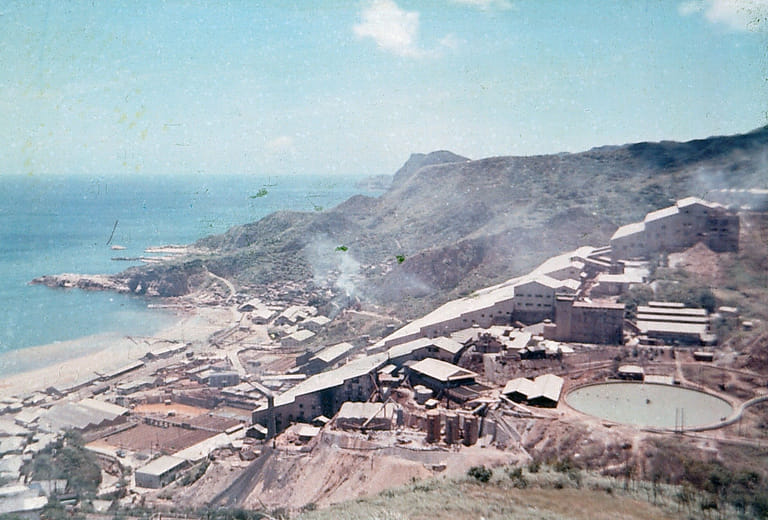
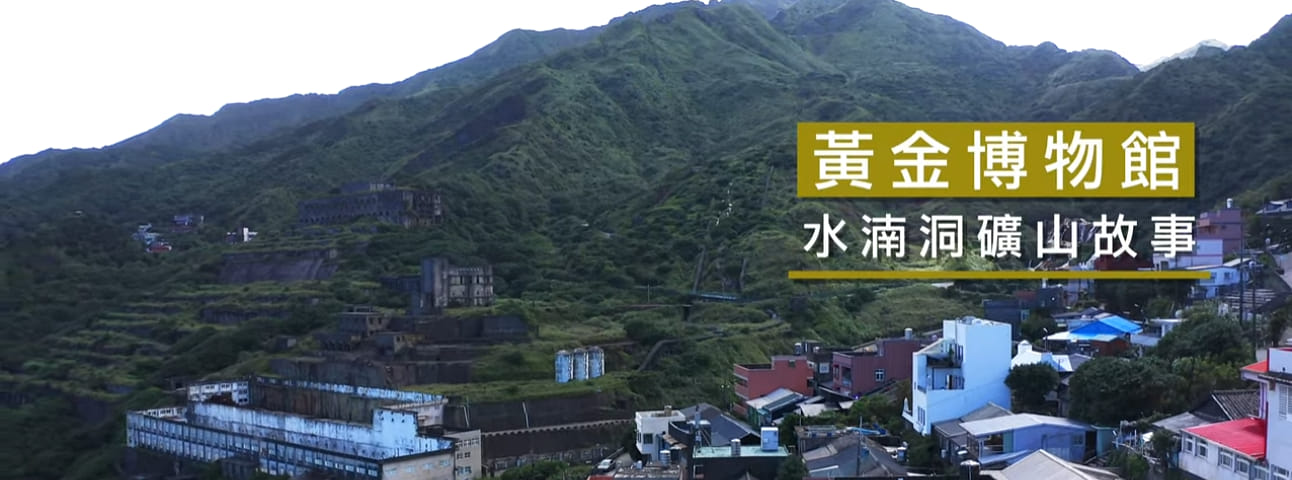
The area under the museum's jurisdiction is located in the Jinguashi settlement, bordering Shuinandong to the north and Jiufen to the west. Its geographical environment, due to volcanic activity, contains gold and copper minerals, forming a beautiful "mining mountain." Mining began in 1897 and continued until the Taiwan Gold Corporation ceased operations in 1987. This nearly century-long history of mining has left behind numerous tunnels, cableways, buildings, and other relics in the Jinguashi and Shuinandong areas, as well as a wealth of valuable historical materials. These relics urgently require preservation and revitalization to ensure their continued value and sustainable transmission.
II. Cultural Reconstruction: A Beautiful Mountain City
Adhering to the principles of preserving and revitalizing the cultural and landscape aspects of the mining industry, the museum also attempts to combine mining elements with diverse art forms. This allows the often-unfriendly mining themes and historical sites to be imbued with the warm energy of art and aesthetics, encouraging community participation and attracting visitors to explore and linger. Through this artistic revitalization, a new aesthetic corridor of the mining industry is being created, contributing to the transformation and revitalization of the mountain town.