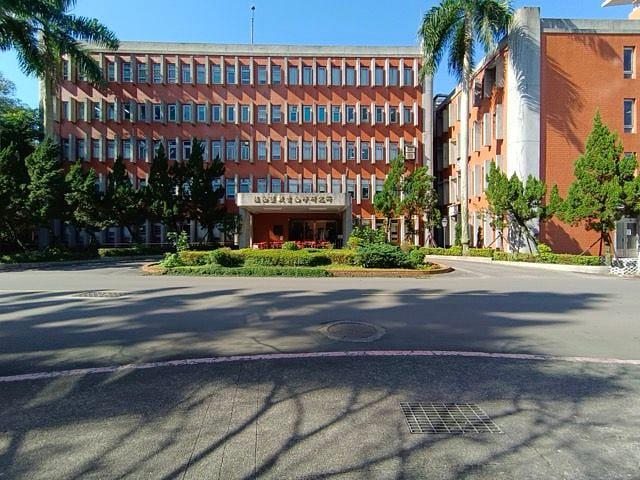
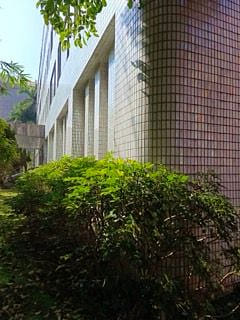
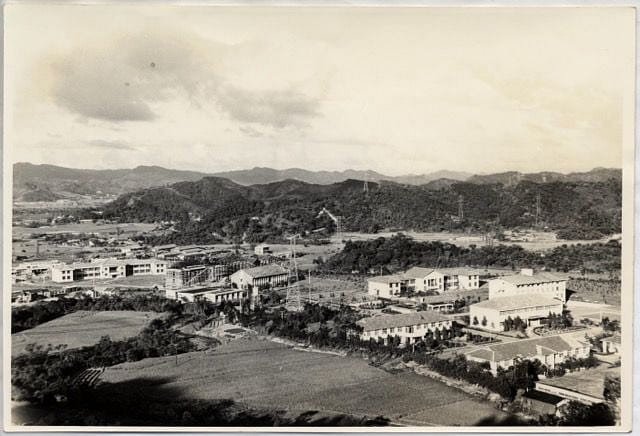
漢寶德不僅是建築師,更是重要的建築教育學者。他提倡「大乘建築觀」,主張建築應雅俗共賞的特質,讓普羅大眾都能與建築師創造的情感產生共鳴。漢寶德長期擔任東海建築系主任,作育無數英才,並主導籌設國立自然科學博物館與國立臺南藝術學院,對臺灣建築界與博物館界發展貢獻深遠。
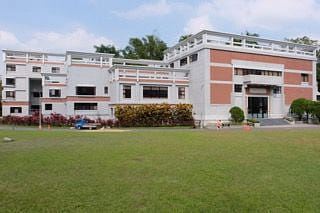
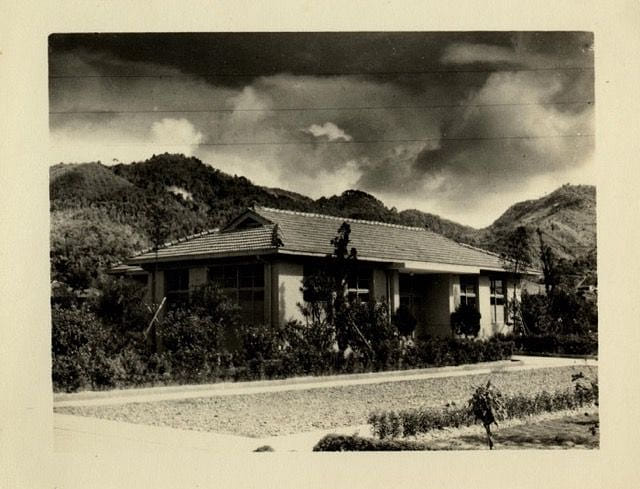
以「閩南式中國建築的風格」為設計條件,民族所當時的所長文崇一在李亦園支持下,委託漢光建築師事務所進行設計,希望傳統樣式能在滿足機能需求的條件下,重新組織在現代建築的骨架上。空間中公共性最高的大廳配置於中心,其他空間則透過迴廊組織於四方,讓整棟建築物仍從架構上展現了西方現代性的空間格局,但是在建築細節、裝飾上,無不可見透過閩南式的山牆、飛簷、紅磚紅瓦、花瓶窗,以及在中央的亭子、穿廊等元素來加以營造空間的傳統氛圍。
In addition to being an architect, Han was an important architectural educator. He advocated the Mahayana Architectural Perspective, arguing that architecture should appeal to both refined and popular tastes, allowing the general public to resonate with architects’ creative emotions. Han served as longtime director of Tunghai University's Department of Architecture, nurturing countless talented individuals and establishing the National Museum of Natural Science (NMNS) and Tainan National University of the Arts (TNNUA), making significant contributions to Taiwan's architectural and museum communities.
With Hokkien-style of Chinese architecture as the basis, Director Chung-I Wen of the Institute of Ethnology, supported by Yih-Yuen Li, commissioned Han-Kong Architecture Firm for the design, hoping traditional styles could be reorganized within modern architectural frameworks while meeting functional requirements. The most public lobby is positioned centrally, with other spaces organized around it through corridors, allowing the building’s structure to display Western modern spatial organization, while architectural details and decorations clearly show Taiwanese Hokkien-style gables, flying eaves, red brick and tile, vase windows, and central pavilions and corridors that contribute to the space’s atmosphere.