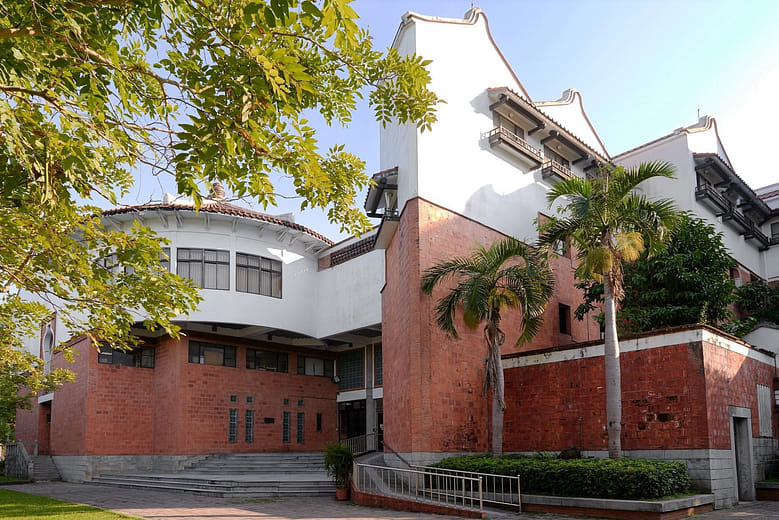
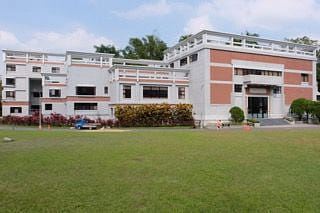
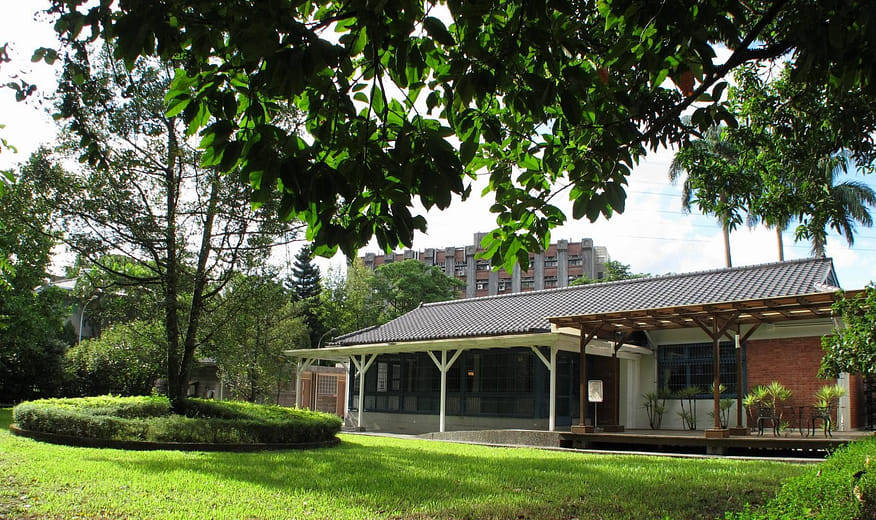
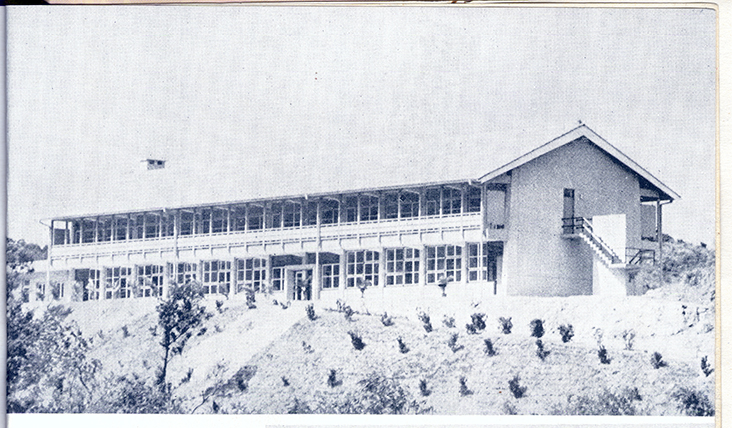
南港院區的發展,基本上是從南往北,從東到西的。
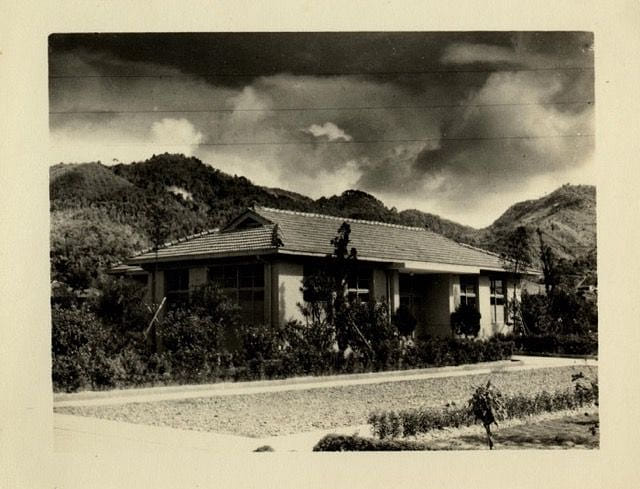
草創初期的院區,設辦公室、倉庫及宿舍在今人文大道南側,之後所中心沿著道路兩側佈設,再沿適之路逐步往北至數理大道,後於1980年代隨四分溪截彎取直後形成水道兩側完整的發展腹地、都市計畫進行變更使用地整合,自此院區的發展就在三條東西向道路、南北向的適之路及四分溪兩側共同組織的空間架構下開始快速擴張至今日規模。
圖1 中央研究院1960年代地景照片
圖2 約1961年,基泰工程司繪製中央研究院院區配置圖。此圖指北向下。
圖3 台車:南港院區設置初期,周邊道路交通不便,工作人員搭乘載運煤炭的台車出入中央研究院。
圖4 1983年 變更南港區中央研究院西側住宅區、計畫道路用地、綠地、保護區及農業區等為機關用地、道路用地、河道用地等計畫案。
The development of the Nangang Campus has generally proceeded from south to north and from east to west.
In the early establishment period, the campus housed offices, warehouses, and dormitories on the south side of what is now Humanities Science Road. Subsequently, research institutes and centers were arranged along both sides of the road, then gradually expanded northward along Shizhi Road to Natural Science Road. Later, in the 1980s, after the Sifen River underwent straightening, new development zones were formed on both sides of the waterway. Urban planning changes integrated land use, and since then, the campus has rapidly expanded to its current scale within the spatial framework organized by three east-west roads, the north-south Shizhi Road, and both sides of the Sifen River.
圖5 中央研究院一代大門
圖6 中央研究院二代大門
圖7 中央研究院三代大門
Figure 5. First-generation gate of Academia Sinica
Figure 6. Second-generation gate of Academia Sinica
Figure 7. Third-generation gate of Academia Sinica