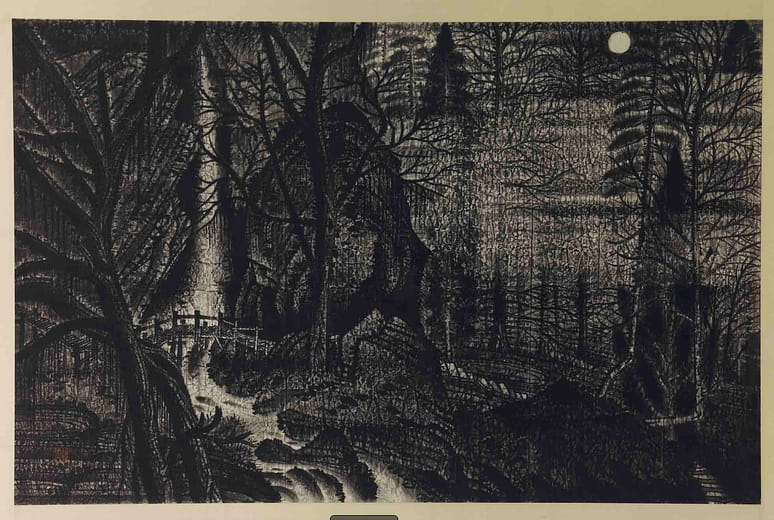
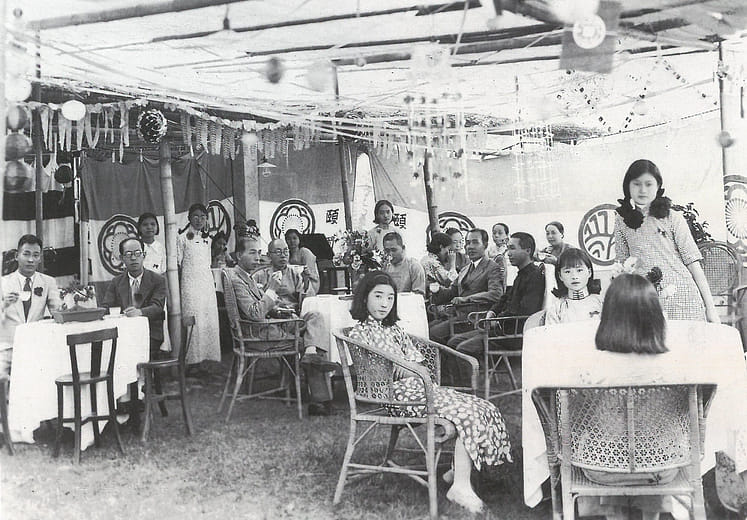
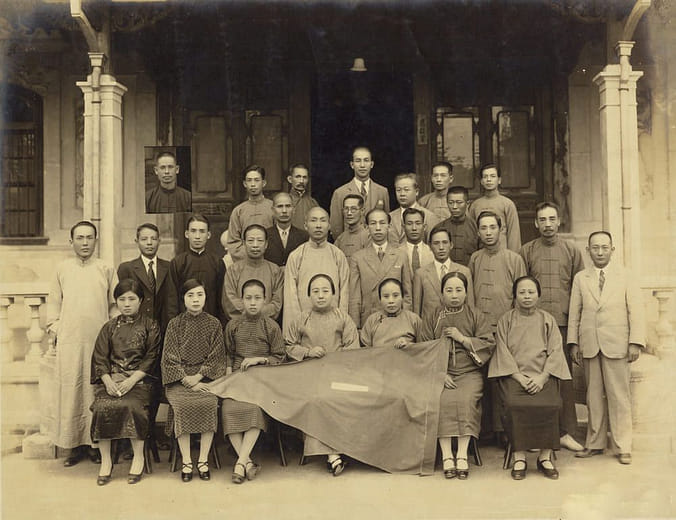
The campaign of the Taiwan Cultural Association included petition protests, cultural speeches, summer schools, film screenings and cultural plays, which all had the effect of gathering the public. Among these activities, the activities of cultural speeches reached a peak from 1925 to 1926. According to the calculation of the Office of the Taiwan Governor-General, the number of the audience exceeded 100,000 annually; namely, one in every thirty people in Taiwan had listened to the cultural speeches organized by the Taiwan Cultural Association, indicating its profound influence. The various ideas advocated by the Taiwan Cultural Association, including the thinking of civil rights, eradicating superstitions, opposing the waste in the Pudu rites, prohibiting human trade, promoting women’s rights and common hygienic practice, were all awakening and impactful to the public. In the midst of the scene, painters were not absent, either. Chen Cheng-po returned to Taiwan on behalf of Taiwanese students in Tokyo to deliver cultural speeches; Kuo Po-chuan participated in the summer schools of the Taiwan Cultural Association; and Liao Chi-chun and Chen Chih-chi chose to join petition protests for the establishment of a Taiwanese Parliament to fight for the rights of Taiwanese people.
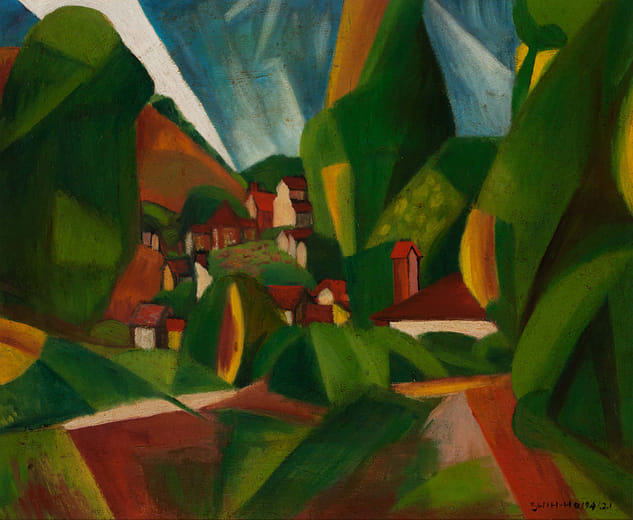
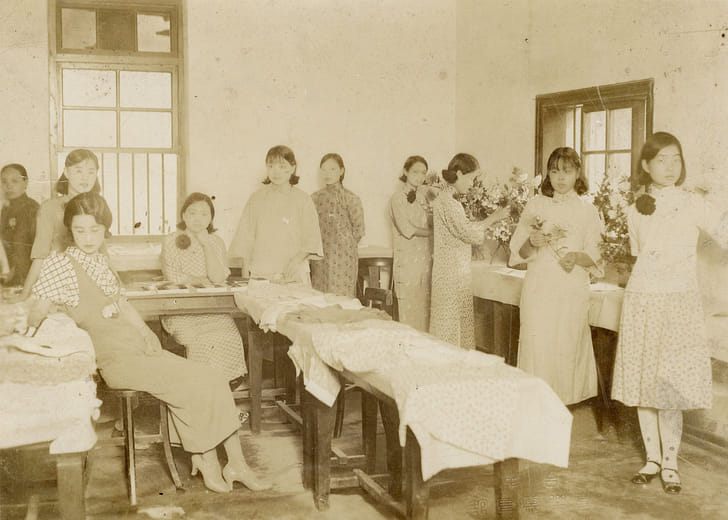
After the splintering of the Taiwan Cultural Association, there were already debates about the popularization of arts and culture. The modern art scene, under the influence of socialism as well as the blending of the Proletarian Arts Movement and modern urbanity, ushered in the progressive image of the New Woman, including Li Mei-shu’s Girl in the Red Dress, Liu Chi-hsiang’s French Woman Wearing a Red Hat, Chen Chin’s Embroidering the Skirt, Lin Chih-chu’s Taking Photos and Li Shih-chiao’s Reclining Nude. Moreover, Ran In-ting's non-transparent watercolors, A Noodle Stand at Night and A Night in the South, constructed the living scenes of the public. Artists influenced by Fauvism and Expressionism established new art groups, such as the Chidao Group (Red Island Group), in opposition to government-funded art exhibitions. After the disbandment of the Chidao Group, various painters founded the Taiyang Art Exhibition and formed the Taiwan Bungei Alliance (Taiwan Literature and Art Alliance) together with the literary world. In the late period of the Japanese rule, Chuang Shih-ho’s Interior Still Life (B) also demonstrated his avant-garde experiment with newspaper collage. In the cultural and arts sector, numerous youth groups emerged in different places, including the Taipei Youth Reading Group and Wufeng Yi-hsin Association, had all used book readings and exhibitions to expand and continue the enlightening ideas advocated by the Taiwan Cultural Association. All these groups had competed to gain the leadership of “the public” and stressed on going into “the civil society” to stand with the multitude and fight against the colonizer. (Chiang Po-shin)