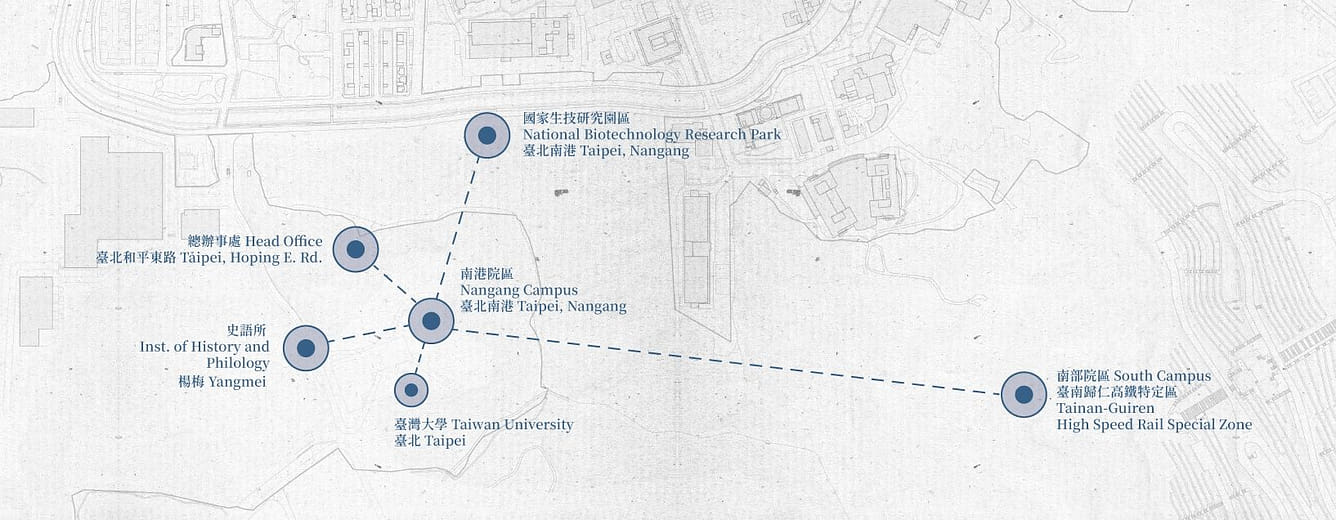
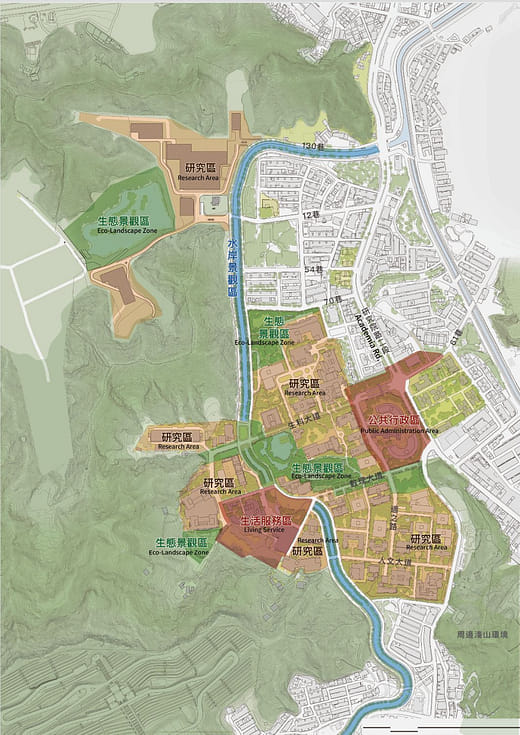
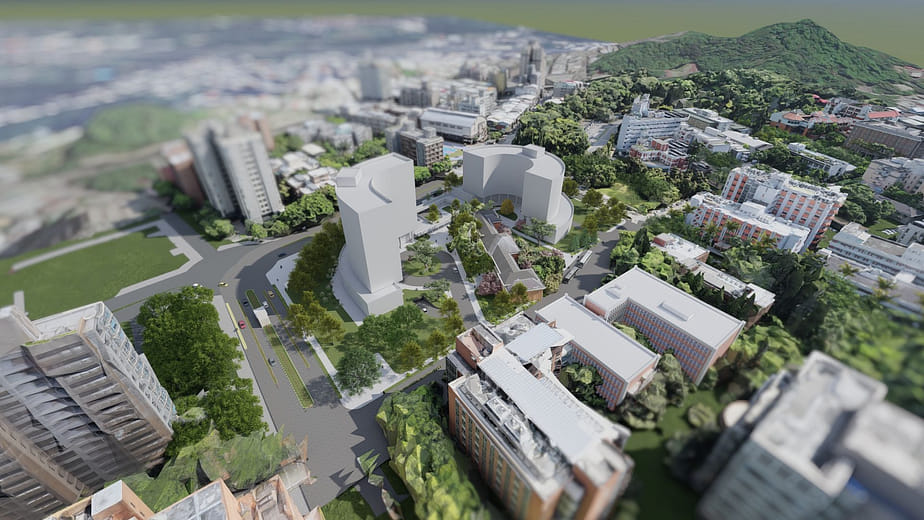
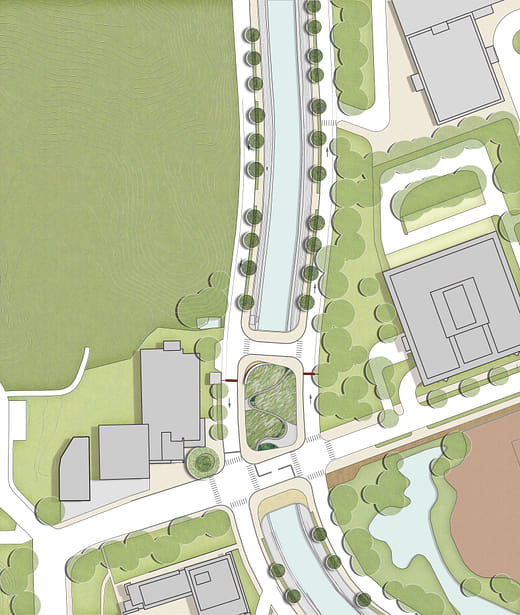
南港院區整體規劃目標與規劃設計原則 Overall Planning Goals and Design Principles of Nangang Campus
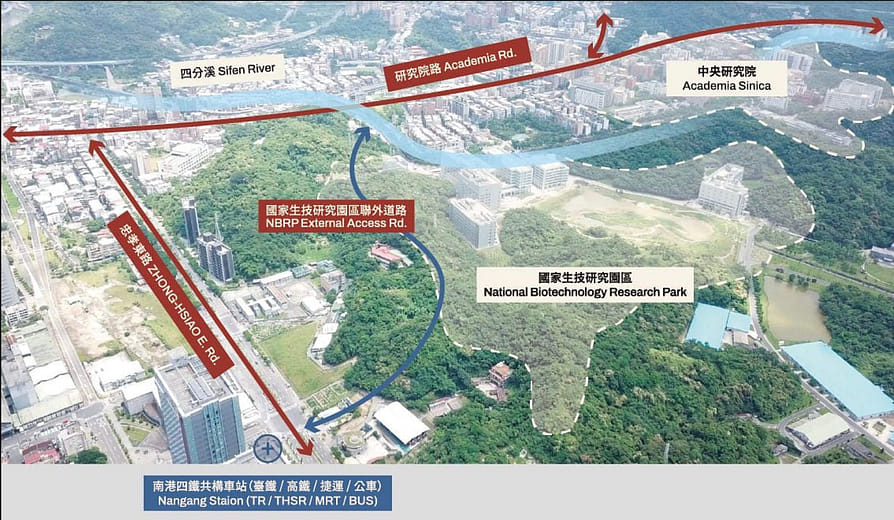
過去十年,南港地區陸續完成多項重大計畫與交通建設,包括臺北東區產業生技聚落逐漸成型,以及連接南港高鐵站與國家生技研究園區聯外道路(2026年通車)。外部變化帶來重大影響,而院區內開發已接近飽和,腹地有限,基礎設施與空間環境亦有待提升。在此背景下,中央研究院啟動南港院區整體規劃,透過文化歷史梳理與現況盤整,提出空間架構系統的調整建議,以建立系統性框架,支撐院區未來持續性的發展。
整體規劃工作方向與重點目標:
一、回應淨零、氣候變遷、生態保育等議題
二、建立可持續發展的框架
三、保存文化發展脈絡與人文地景,並藉此突出院區特色
四、聚焦學術氛圍生活環境的營造並打造公共的院區
規劃設計原則包含「創造生態綠軸鏈結」、「打造雙入口的交通系統」、「打造雙核心的院區生活服務」、「海綿城市規劃」、「打造特色景觀軸帶」、「串連歷史人文散步路徑」。
Over the past decade, the Nangang area has completed numerous major projects and transportation infrastructure, including the gradual formation of the East District Industrial Biotech Cluster and the National Biotechnology Research Park external access road connecting Nangang High Speed Rail Station (opening 2026). External changes bring significant impacts, while campus development approaches saturation with limited hinterland and infrastructure and spatial environments requiring enhancement.
1. Against this backdrop, Academia Sinica initiated comprehensive Nangang Campus planning. Through cultural-historical organization and current situation assessment, it proposes spatial framework system adjustment recommendations to establish systematic frameworks supporting campus future sustainable development.
2. Overall Planning Directions and Key Objectives
Responding to net-zero, climate change, and ecological conservation issues
3. Establishing sustainable development frameworks
Preserving cultural development contexts and humanistic landscapes while highlighting campus characteristics
4. Focusing on creating an academic atmosphere and living environment while building a public campus
Design planning principles inculding: create ecological green corridor,build dual-entrance transportation system, create dual-core campus life services, sponge city planning, create distinctive landscape axis belts, connect historical-cultural walking paths.