永續工藝的生活解方-永續工藝計畫
2015年,聯合國啟動永續發展目標(SDGs),促使全球企業與組織重新思考資源運用與永續策略。有別於過去線性經濟的運作方式,在「從搖籃到搖籃」的循環思維下,導入新的商業模式與產品設計以提升資源效率,從源頭減少污染與廢棄物產生。
國立臺灣工藝研究發展中心自2023年開始,以循環工藝計畫為倡議起點,鼓勵民間善用工藝製作或活動過程,建立「物—人—知」循環:將廢棄物料升級再造(物)、促進人際合作(人)、分享知識與經驗(知)。2024年起,計畫從倡議躍升至實踐,將藉由公民社會總動員的驅動,以行動展現工藝在社會不同層面的公益價值。
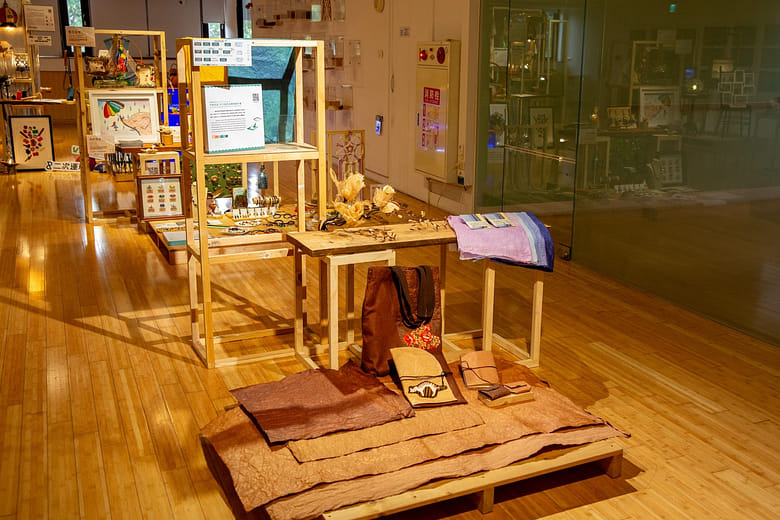
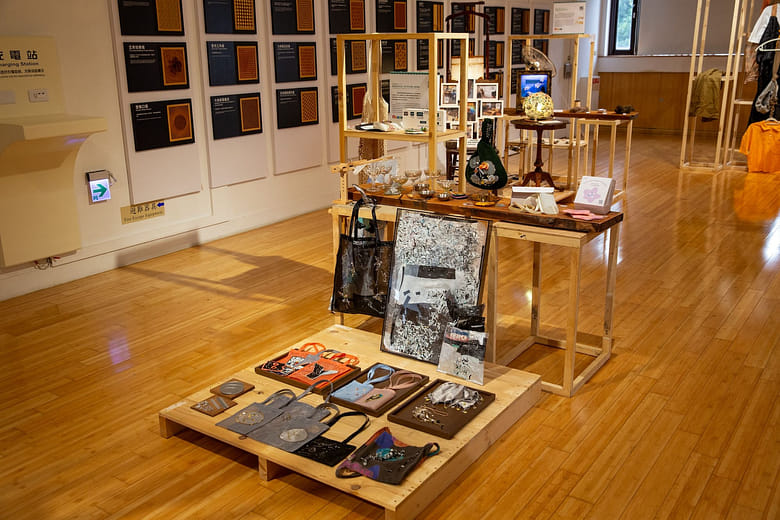
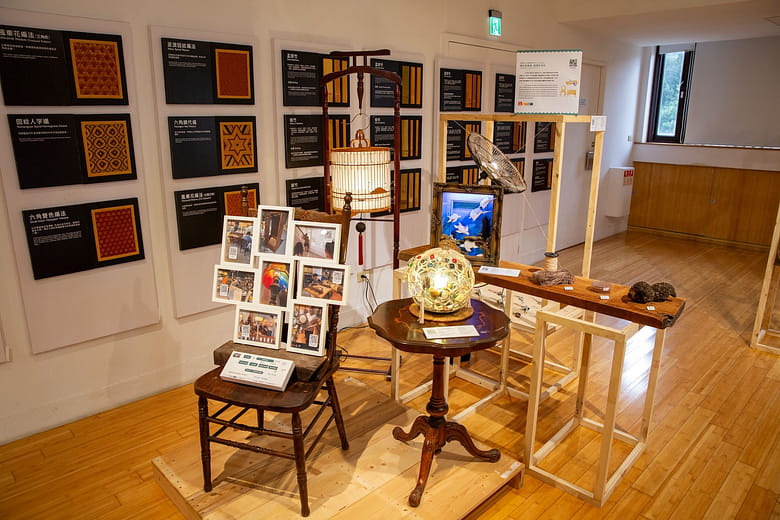
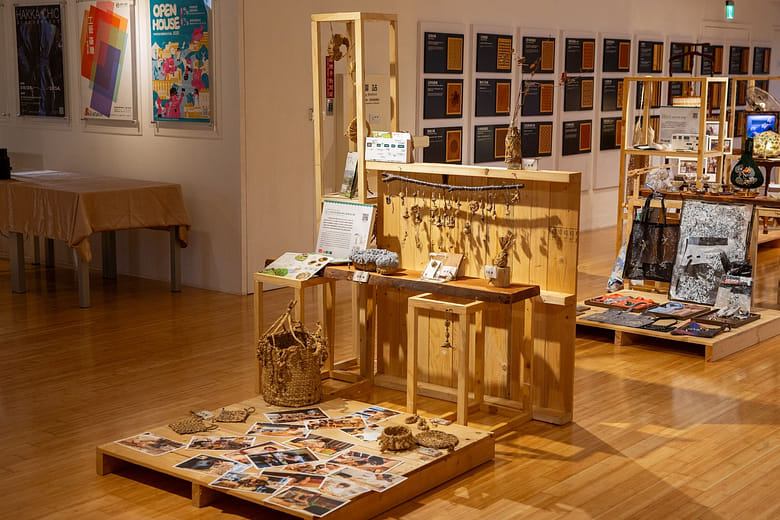
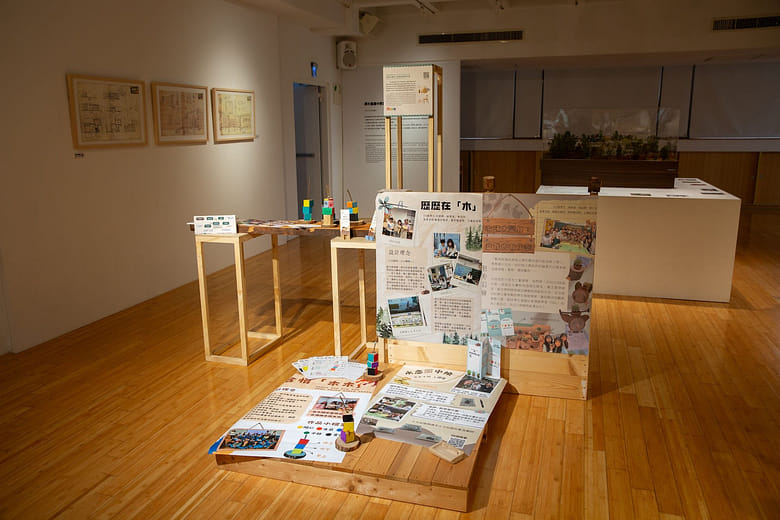
工藝的本質深植於土地,承載著文化記憶與地域特色。本年度成果展以「永續工藝的生活解方」為題,介紹十組受補助團隊如何實踐發展永續工藝計畫,呈現工藝如何作為串聯人、文化與空間的媒介,將永續理念落實於生活。透過團隊視角探索工藝介入生活的多種可能,讓永續轉化為可感知的實踐。
在材料運用上,強調資源再生與創新設計的重要性。團隊將廢棄物與閒置資源轉化為工藝創作,透過切割、編織等技法賦予材料新價值,展現工藝在材料研究與再製的創造力。同時,工藝也透過教育推廣、實作體驗及社區共學,不僅促進技能傳承,也延伸至弱勢培力、療癒陪伴與地方共好,以工藝創公益,形成兼具社會與經濟價值的永續模式。
「永續工藝的生活解方」是透過多元行動凝聚而成的計畫成果,除了展現工藝能作為實踐永續文化的樣貌,亦能讓永續理念不僅停留於抽象概念,而成為日常可見、可參與的生活風景,同時啟發對環境、文化與社會更深的理解,形塑更美好的未來。
Curatorial Statement
Life Solutions through Sustainable Craft
The Sustainable Development Goals (SDGs), adopted by the United Nations in 2015, have encouraged companies and organizations worldwide to reconsider their resource management and sustainability strategies. In contrast to the linear economic model, the circular concept of “Cradle to Cradle” introduces new approaches to business and product design to improve resource efficiency and minimize pollution and waste from the source.
Since 2023, the National Taiwan Craft Research and Development Institute has launched the Circular Sustainable Craft Project, inviting the public to take part in craft practices and activities that build a cycle of “Object – People – Knowledge.” The project promotes the transformation of waste materials into renewed craft objects, fosters collaboration among people, and encourages the sharing of experiences and knowledge. In 2024, it progressed from advocacy to implementation, expanding community participation and demonstrating the social value of sustainable craft through practical actions.
The essence of craft is deeply connected to the land, cultural memories, and regional identity. The 2025 exhibition, “Life Solutions through Sustainable Craft,” showcases ten supported groups that have put sustainable craft into practice. It shows how craft serves as a bridge between people, culture, and space, bringing sustainability into everyday life. Through creativity and skill, these groups turn sustainable ideas into concrete and meaningful actions.
The use of materials emphasizes the importance of recycled resources and creative design. These groups turn waste and unused materials into new craft works, giving them new life through cutting, weaving, and other techniques. This demonstrates how craft can inspire creativity in exploring and reusing materials. At the same time, through education, hands-on practice, and community learning, craft helps preserve traditional skills, empowers disadvantaged groups, supports healing, and encourages community growth in the public interest, showing how sustainability can create both social and economic value.
“Life Solutions through Sustainable Craft” represents the outcome of diverse efforts and actions. Craft is not only a way to practice sustainable culture but has also become part of daily life. It provides an opportunity for the public to better understand the environment, culture, and society, and to imagine a more sustainable future together.