校園永續木工藝教學實踐計畫 Campus Program for Sustainable Woodcraft
台灣工藝美術學校Taiwan Craft School / 國立臺北教育大學 National Taipei University of Education
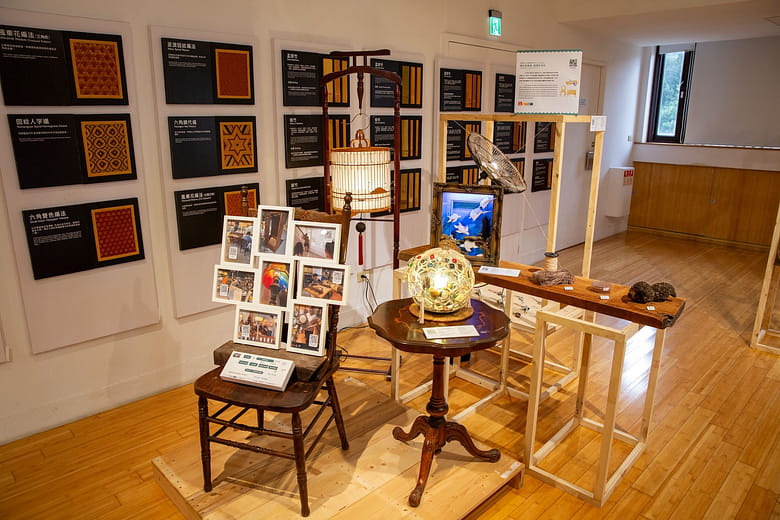
在校園裡,退役的課桌椅與伐木修枝的木料,常被視為無用的廢材。國立臺北教育大學以「校園永續木工藝教學實踐計畫」為題,攜手台灣工藝美術學校與三所國小,將這些木材轉化為工藝教育的核心素材。
Old desks, chairs, and tree logs on campus are often seen as useless waste. To address this, National Taipei University of Education launched the “Campus Program for Sustainable Woodcraft”, inviting Taiwan Craft School and three primary schools to transform these materials into the core of craft education.
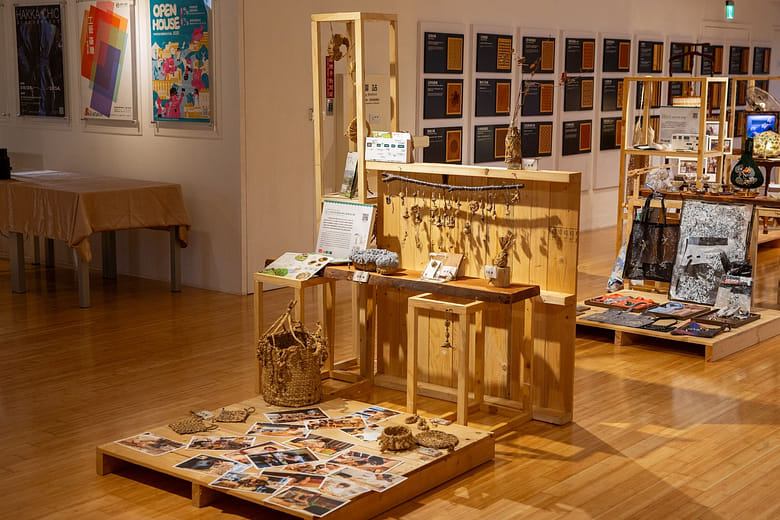
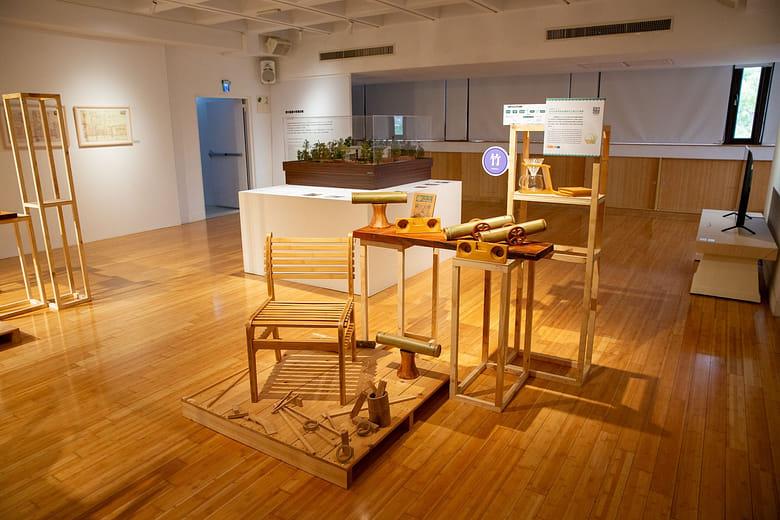
計畫從校園木材的盤點開始,經過清理與裁切,木料再被設計成木盤、盆栽架、情緒木塔、卡片木架等作品,兼具功能與創意。四階段的推動流程──調查研發、課程推廣、學生實作、成果反思,逐步建立起完整的教學模型。透過研習與講座,已有 12 位種子教師受訓,帶領超過百位學生親手參與工藝創作。
The project begins with an inventory of campus wood. After cleaning and cutting, the wood is transformed into functional and creative items, such as wooden plates, potting stands, wooden emotion towers, and card holders. The process follows four stages — research and development, course promotion, student practice, and reflection — gradually building a complete teaching module. So far, twelve pre-service teachers have been trained through seminars and forums, and they have guided hundreds of students in hands-on craft creation.
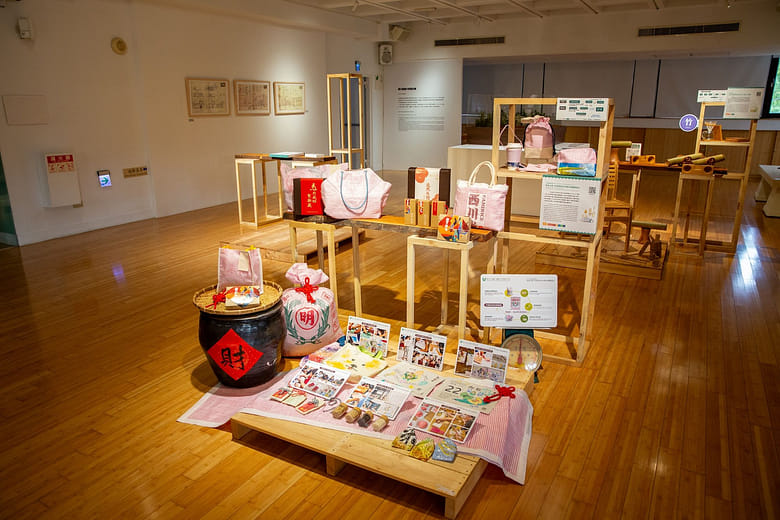
課堂上,木工不只是技術練習,也是環境教育與情緒教育的結合。孩子們在打磨與拼裝中學會專注,並在作品完成的成就感裡理解資源再利用的價值。隨後的展覽與工作坊,更把這份經驗延伸到社群,讓校園成為推動永續思維的起點。
In class, carpentry is more than practicing skills. It is also a way for children to connect with the environment and their emotions. Through polishing and assembling, they develop focus and experience the satisfaction of completing a project, learning firsthand the value of reusing resources. Exhibitions and workshops bring these experiences to the wider community, making the campus a starting point for promoting sustainability.
透過工藝實作,學生能夠培養專注力與創造力,更學會認識材料來源、理解資源再利用的價值。教育、工藝與永續的交集,將工藝學習轉化為環境意識與心理養成的共同載體,也成為培養下一代永續價值觀的媒介。
Through craft practice, students learn to focus and create. More importantly, they discover where materials come from and understand the value of reusing resources. By combining education, craft, and sustainability, children become more aware of the environment, learn about themselves, and appreciate the importance of sustainable practices.