管風琴流傳於歐洲的歷史悠久,2200餘年的歷史,且從未中斷過。
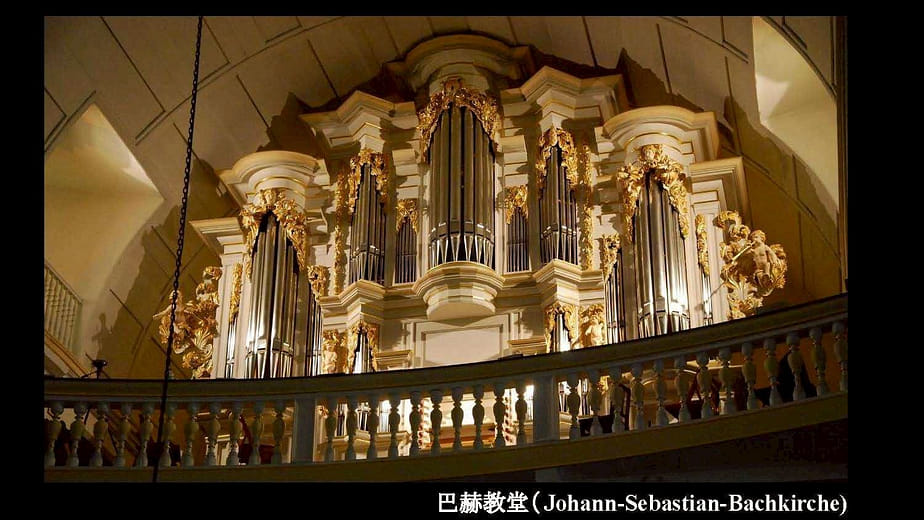
歐洲音樂的歷史與管風琴音樂緊密相關,歐洲歷史教堂的管風琴特色:卓越的音響效果和建築設計,完美融合了歷史與音樂的藝術,成為聲音與建築共鳴的典範。
音色、結構與演奏風格的多樣性:歐洲各地的管風琴擁有獨特的音色和結構,讓音樂家能以多元的方式表現音樂張力,使音樂詮釋更具層次感和表達力。
台灣的管風琴文化超過半個世紀!
台灣的管風琴歷史發展超過半世紀,分佈於地方教堂、大專院校、音樂廳、博物館以及私人收藏,每一台管風琴都有著深厚的人文情感與故事。
地方教會建構管風琴的故事根植於在地的信仰,因認定管風琴是教會音樂中最美的聲音,將『最好的樂器』獻給上帝,因此管風琴雖造價不斐,並需要幾年時間且量身訂做,但一個個為此奉獻的故事仍不斷展開。
全台特色管風琴其深厚的歷史、建築、音樂、人文底蘊,透過本次線上展覽的呈現,帶領大眾發現台灣管風琴之美,揭開樂器之王管風琴的神秘面紗。
The pipe organ has a long history in Europe, spanning more than 2,200 years without interruption. The history of European music is closely linked to organ music. In historic European churches, organs are known for their outstanding acoustics and architectural design, perfectly merging history and music into an art form that exemplifies the resonance of sound and architecture.
The variety of timbres, structures, and performance styles is another defining feature of the European organ tradition. Organs from different regions each possess unique tonal colors and constructions, enabling musicians to express musical tension in diverse ways and to bring greater depth and expressiveness to interpretation.
In Taiwan, the culture of the pipe organ has developed for more than half a century. Organs are found in local churches, universities, concert halls, museums, and even private collections, with each instrument carrying deep human sentiments and its own story.
The building of church organs in Taiwan is rooted in local faith. Believing the organ to be the most beautiful sound in church music, congregations dedicated “the finest instrument” to God. Although organs are costly, require years to build, and must be tailor-made, countless stories of devotion and sacrifice have continued to unfold.
The distinctive organs across Taiwan embody rich layers of history, architecture, music, and culture. Through this online exhibition, the public is invited to discover the beauty of Taiwan’s pipe organs and to unveil the mystery of the “King of Instruments.”