馬偕(George Leslie Mackay, 1844-1901)
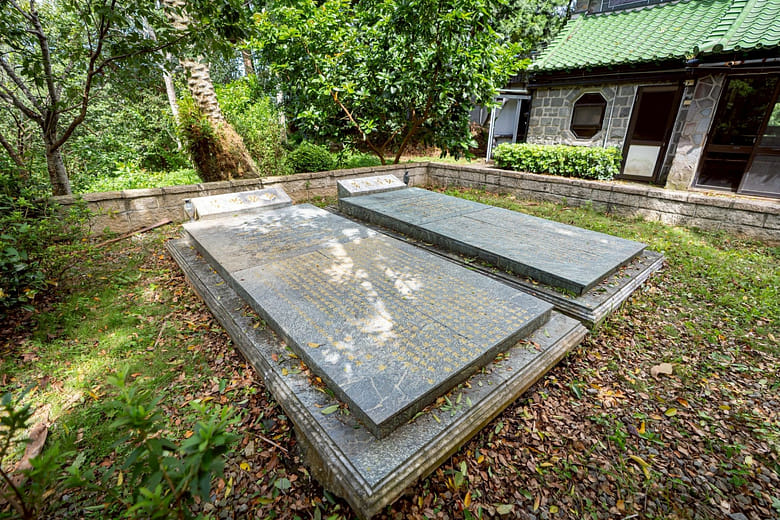
是加拿大長老教會派到海外的第一位宣教師,也是荷據時代以來在台灣北部從事醫療、教育、傳道工作的頭一位外國宣教師。他信仰堅定,個性果敢熱誠,行事有「不居次位」的剛毅作風,因為宣揚真理不畏艱難,終於奠下北部教會的深厚根基-獨力創建六十間教會,一間醫院,一間理學院,以及一間女學堂。他在1882年所建立的「理學堂大書院」俗稱「牛津學堂」,就是現今台灣神學院的前身。他深愛台灣的土地及人,將黃金年華獻給台灣,娶台灣某,最後更死在台灣,埋骨在淡水。他一生的座右銘即「寧願燒盡,不願銹壞」,這個精神也成為台神從事台灣本土宣教的基本動力。
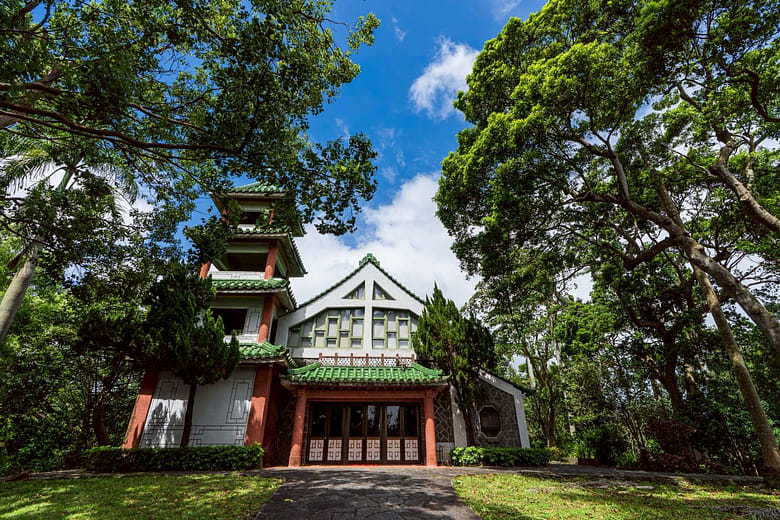
設於禮拜堂前草地的馬偕博士雕像,象徵其在台灣推動醫療、教育與神學的深遠貢獻,是台灣基督長老教會發展史與台神信仰根基的重要標誌。
George Leslie Mackay (1844–1901) was the first missionary sent overseas by the Presbyterian Church in Canada, and the first foreign missionary since the Dutch period to engage in medicine, education, and evangelism in northern Taiwan. With steadfast faith, bold zeal, and a resolute spirit of “never taking second place,” he overcame great hardships for the sake of the Gospel and firmly established the church in the north. He independently founded sixty churches, a hospital, a theological college, and a girls’ school.
In 1882, he established the “College of Liberal Arts” (commonly known as the Oxford College), which later became the predecessor of today’s Taiwan Theological College and Seminary. Mackay deeply loved the land and people of Taiwan, devoting his best years here, marrying a Taiwanese woman, and ultimately passing away in Taiwan, where he was laid to rest in Tamsui. His lifelong motto was, “I would rather burn out than rust out,” a spirit that has continued to inspire Taiwan Seminary in its commitment to indigenous mission.
The statue of Dr. Mackay set on the lawn in front of the chapel symbolizes his far-reaching contributions in medicine, education, and theology in Taiwan, and serves as an important emblem of both the history of the Presbyterian Church in Taiwan and the theological foundation of Taiwan Seminary.