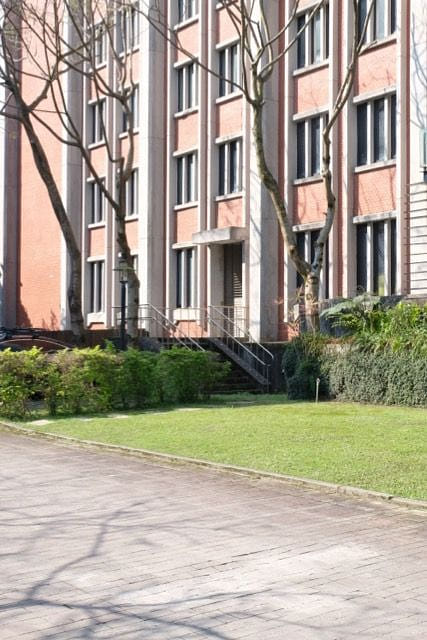
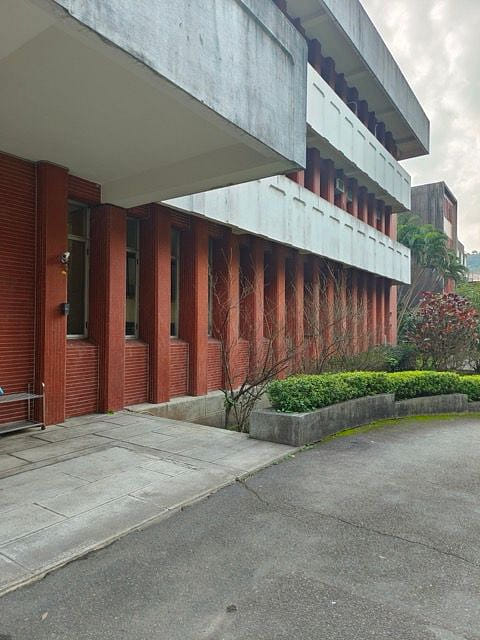
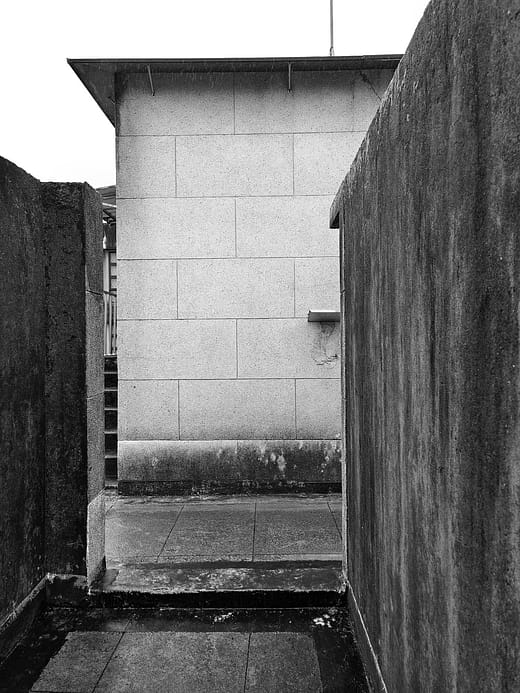
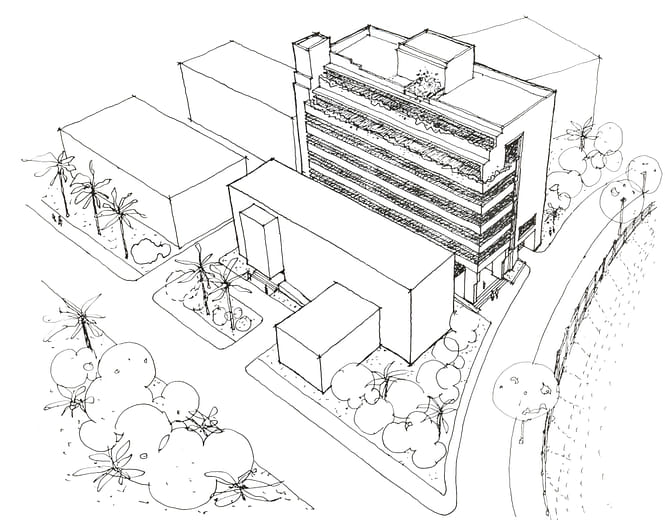
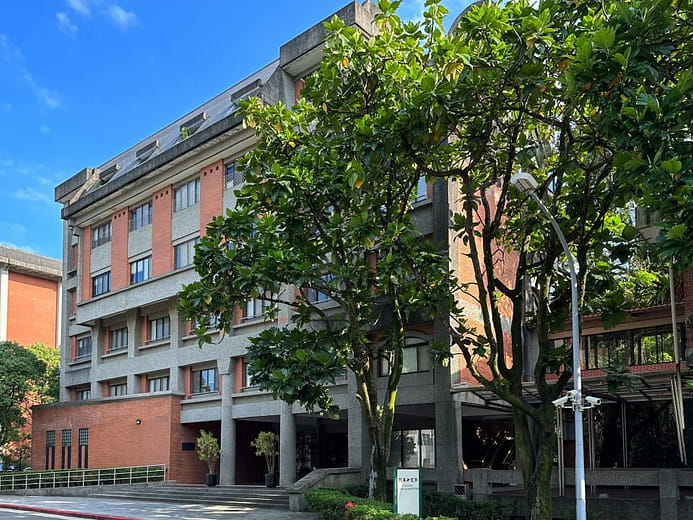
中央研究院早期的建築多隨需求而增建,發展歷程反映出務實與漸進的特質。初期設院時,建築以南北向、一字型的低矮樓房為主,採取最經濟的平面設計,以滿足當時急迫的使用需求。隨著研究人員與研究密度的增加,原有建築陸續擴建,新舊棟之間常以連通道相接,而後棟常因量體需求更大,後代建築師則以自己的方式,從前後棟進出口的設定、連接的方式、材質色材的呼應等,與前輩建築師、環境及中央研究院的文化歷史進行對話。
增建不僅是空間需求與研究能量擴增的表現,從空間書寫的角度,更是建築師與建築師之間的對話以及傳承。增建是中央研究院在獨特的地理條件與時代背景下,發展出空間發展樣態。這些增建,有些是由原來建築師接續完成,如人文社會科學研究中心大樓的前後棟均由王大閎完成。通常此種類別都會有統一的空間邏輯與外觀。而其他由新的建築師來處理增建部分,本次則從其中選列三個作品,呈現不同的空間策略如何疊加在既有的空間結構中,形成更為豐富且層疊有致的院區景觀。
Academia Sinica’s early buildings were often expanded according to need, with its development reflecting pragmatic and gradual characteristics. In the initial establishment period, buildings were primarily low-rise structures oriented north-south in linear arrangements, adopting the most economical floor plans to meet urgent usage requirements. As research staff and research density increased, original buildings were successively expanded, with new and old wings often connected by corridors. Later wings, requiring larger volumes, necessitated subsequent architects to engage in dialogue with predecessors and the environment through their own approaches: setting entrances and exits between front and rear buildings, connection methods, and coordination of material and color.
Additions reflect not only the need for space and the growth of research capacity, but also, from a spatial perspective, a dialogue and continuity between architects. At Academia Sinica, such additions emerged from its unique geography and historical context. Some were carried out by the original architect—such as buildings of the Humanities and Social Sciences Building by Wang Dahong—resulting in a consistent spatial logic and appearance. Others were designed by different architects. This exhibition highlights three such projects, showing how different spatial strategies were layered onto existing structures, enriching the campus landscape with greater depth and complexity.