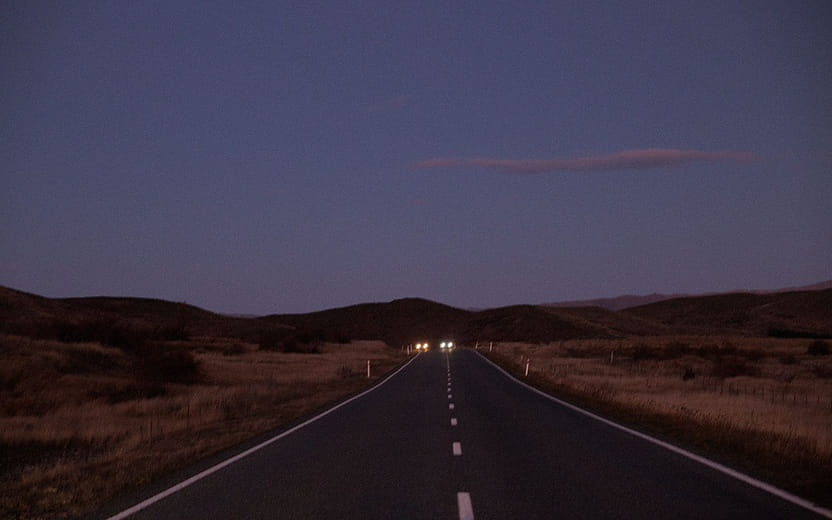
● 展覽介紹|Objects, Lines, and Gradually Seeing Shadows
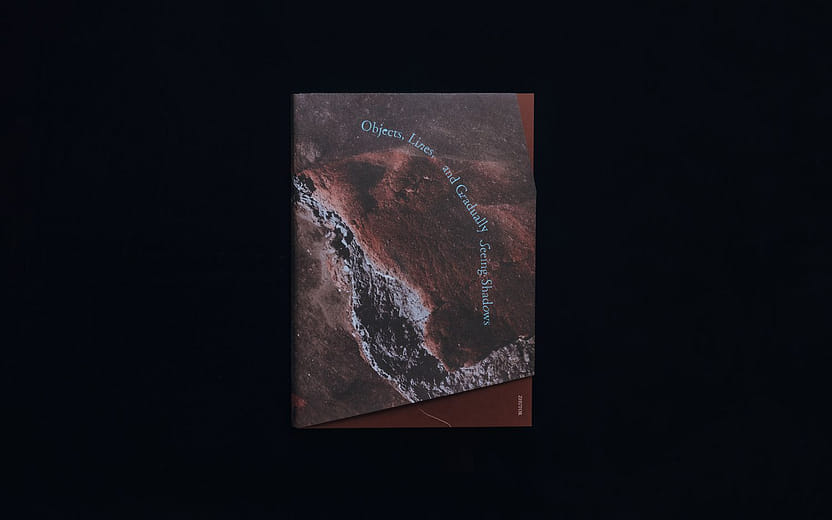
攝影集《物件、線條、之後漸漸看見影子》所延伸出的展覽,將圖像、日記與聲音進一步轉化為空間敘事。展覽中提取了朱特旅居紐西蘭期間,所書寫的十二萬字日記中的十個章節,邀請十位演員、歌手、自媒體人以聲音詮釋其中某一日的記錄,並與影像作品一同佈置於展場。這些朗讀以錄音帶的形式置於空間角落名為「Diary Station」的展牆上構成另一種觀看節奏。
展場內除了影像的安置,觀者也可以坐下來,翻閱十一本僅供展覽閱覽的日記小別冊,戴上耳機,聽見不同聲音詮釋其中的段落,聲音時而貼近,時而遠離,如同在黑暗中走進一間被時間與記憶建構起來的世界。
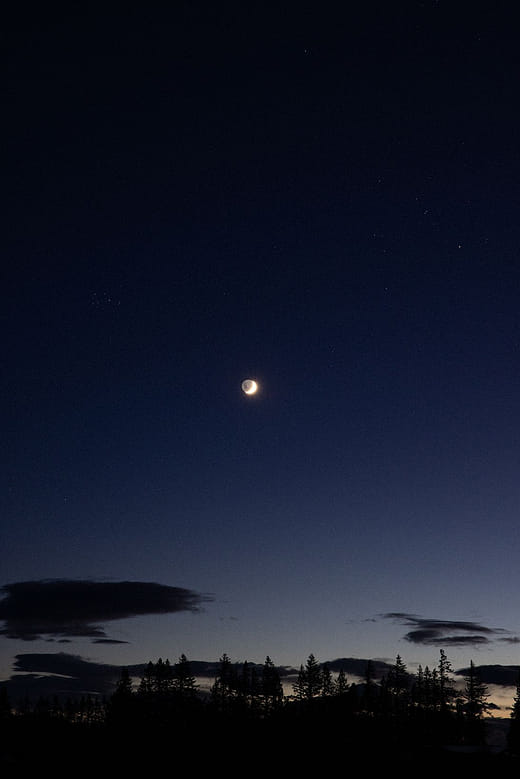
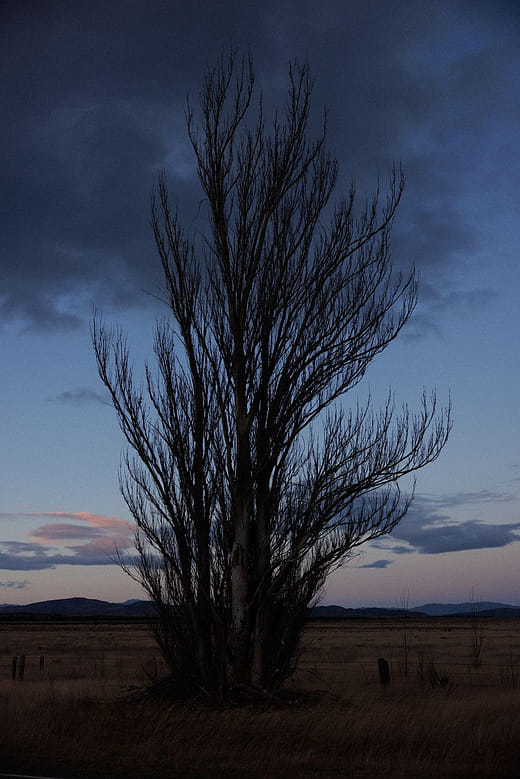
整體展覽不刻意提供統一視角,而是試圖營造一種彷彿被宇宙包圍的沉靜空間。書寫與攝影不是為了再現經驗,而是保留經驗中尚未說明的部分。展場像是一座在異地建起的內心廟宇,有疏離的風景,也有難以命名的情緒;聲音、影像與紙頁彼此傾靠,也彼此留下空隙。
在一張張照片、一頁頁日記與聲音之間,或許你會找到某種屬於自己的「好好經歷自己的人生」的方式。若不是那樣宏大的句子,也可能只是——咬下一口熱騰騰的派,說:「嗯,好吃。」
This exhibition extends from the photo book Objects, Lines, and Gradually Seeing Shadows, translating images, diaries, and voices into a spatial narrative.
Ten chapters were selected from the 120,000-word journal Zhu kept during her time living in New Zealand. Each chapter is voiced by a different performer—actors, singers, or independent creators—who interpret one day’s entry in their own way. These recordings are presented on cassette tapes in a part of the exhibition called the Diary Station, offering a different rhythm of viewing alongside the photographs.
Beyond the visual installation, viewers are invited to sit, read through eleven small diary booklets (available only on-site), and listen through headphones to the various interpretations. The voices drift near and far—sometimes intimate, sometimes distant—like entering a dim room quietly assembled by memory and time.
The exhibition does not offer a singular perspective. Instead, it creates a calm space that feels surrounded—by fragments, by the sense of being in orbit. Writing and photography are not used to reproduce experience, but to hold the parts that resist explanation. The space feels like an inner temple, quietly built elsewhere—where landscapes feel detached, and emotions remain unnamed. Images, sounds, and pages lean toward one another, yet leave space between them.
Somewhere between a photo, a diary page, and a voice, you might find your own way of living through things—
and if not through a grand sentence, then maybe just in something small, like biting into a warm pie and saying,
“Pretty good, eh.”
● 關於聲音|Voice Copyright Notice
展場中播放的聲音素材,來自演員、歌手與自媒體人詮釋創作者的日記內容,是極為私密且珍貴的片段。所有內容皆為創作者與聲音演出者共同創作的成果,並已獲演出者同意使用於本次展覽中,受著作權法保護。
為了尊重聲音背後的故事與人,請勿錄音、擷取,或以任何形式使用於展覽以外的用途(包含公開播放、再製、商業使用等)。
The audio materials played in this exhibition feature actors, singers, and independent creators interpreting the artist’s personal diary entries. These recordings are deeply private and meaningful. All content is a collaborative work between the artist and the voice performers, authorized specifically for this exhibition, and protected by copyright law.
To respect the people and stories behind these voices, please do not record, copy, or use the audio in any form beyond this exhibition (including public broadcast, reproduction, or commercial use).