「相較於語言的分享讓聽者感到煩躁,我發現創作可以慢慢把我的心緒帶進去,透過這個過程裡的時間和重複製程,把我想要講的事好好講出來。」
"I've found that compared to talking, which can sometimes annoy people, creating things lets me slowly pour my emotions into the process. As time passes and I keep working on it, I'm able to express my ideas more fully."
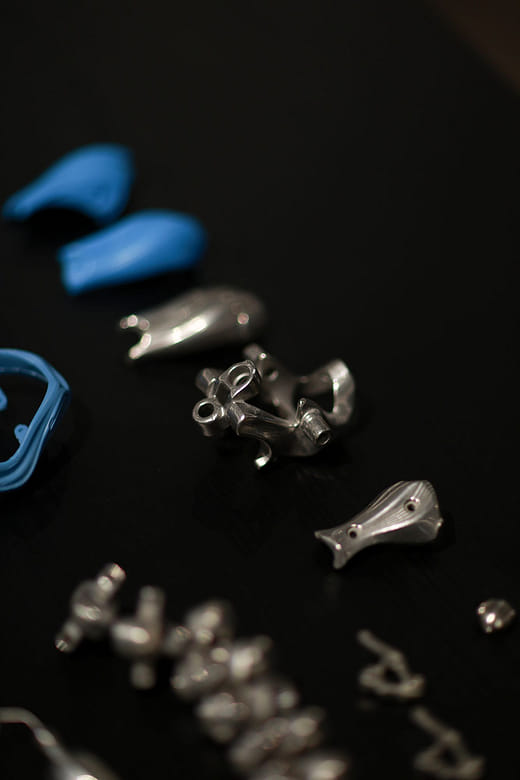
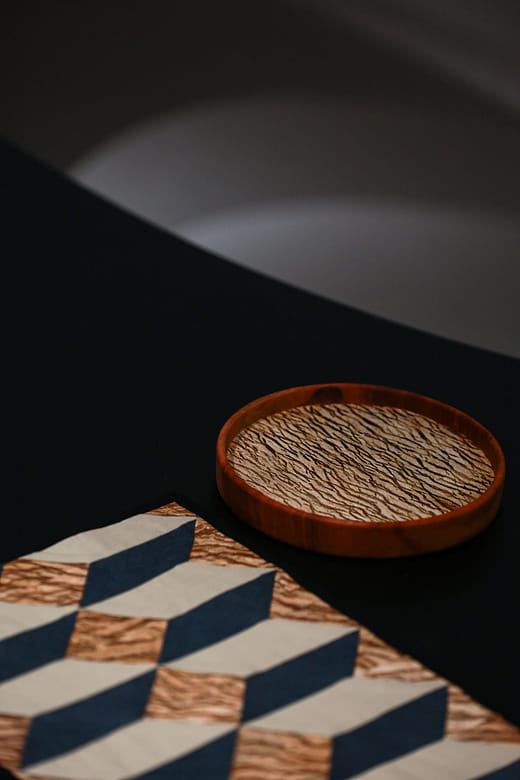
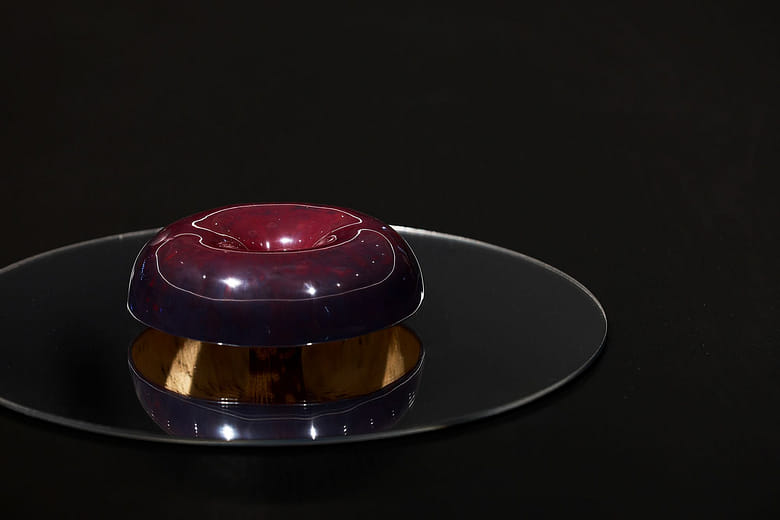
工藝家反思過往因工藝付出勞力而被認可為有價值的狀態,在機械加工的時代裡, 勞力的付出與價值不再對等。蔡旻翰認為,工藝創作日復一日的學習、技術精進、 製作等勞動經驗與歷程,對他而言宛如在生活裡化為宗教性的儀式,而木材工藝所 需使用的工具如鑽頭、雕刻刀、刨刀、砂紙等道具,以及使用工具呈現的固定手 勢,全都是儀式裡的一部分,將工藝創作一系列的組成類比為精神性的儀式,也得 以探尋其中的功能性與表現。 工具與專屬手勢兩兩對應,一系列作品總計12件,由6個工具與6個手勢組成,藉由 具象工具造型的藝術性轉換,打造出彷彿宗教法器一般的神聖性,並以手勢表現出 操持法器的意象,帶來更為深刻的宗教性類比。蔡旻翰亦透過每一件工具與手勢的 命名如:「鑽頭」與「沉孔印」、「雕刻刀」與「易型印」等,完整傳遞木材工藝 創作日常的莊嚴儀式性。
Reflecting on the evolving value of labor in the era of mechanized production, Tsai Min-Han critiques how manual craftsmanship is no longer equated with intrinsic value. To him, the repetitive learning, honing of skills, and creation inherent in craftwork represent a religious-like ritual woven into daily life. The tools essential to woodcraft—drills, carving knives, planes, and sandpaper—along with the hand gestures required to operate them, form an integral part of this ritual. Tsai draws a parallel between the components of craft creation and spiritual rites, exploring both their functionality and their expressive potential. The series consists of 12 pieces, with six tools paired with six corresponding hand gestures. Tsai transforms the concrete shapes of these tools into artistic objects imbued with sacredness, akin to religious artifacts. The hand gestures symbolize the wielding of these "ritual artifacts," deepening the analogy to spiritual practices. Each tool and gesture is given a meaningful name, such as "Drill Bit" paired with "Countersink Seal" or "Carving Knife" paired with "Shaping Seal," conveying the solemn, ritualistic nature of the artisan's daily engagement with woodcraft.
蔡旻翰 Tsai Min-Han
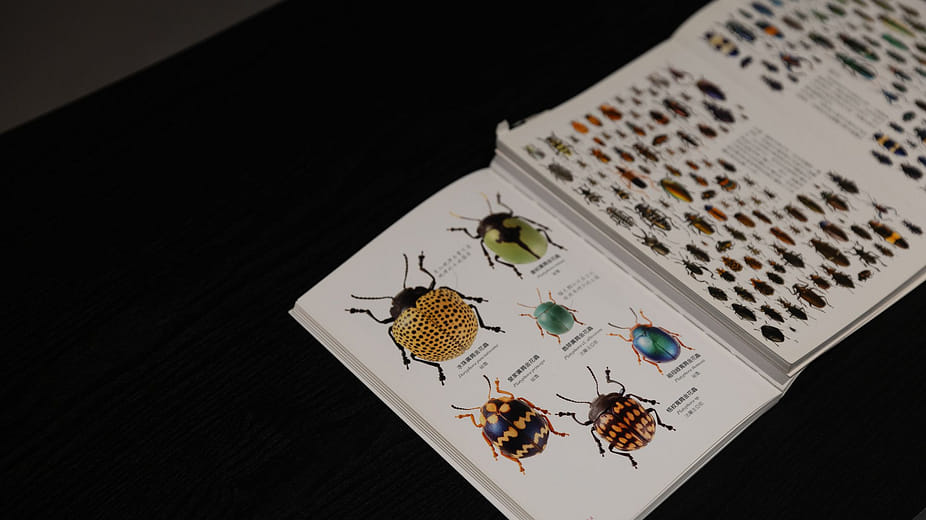
畢業自國立臺灣藝術大學工藝設計學系碩士班,1997年生,在大學時期便立定專注於木材工藝美術創作,堅定致力於木雕領域,同時以教學工作推廣木材工藝。蔡旻翰作品融合繁複結構,擅長以零件式營造富含空間感的作品,強調正負空間的交互關係,透過細木工榫接結合雕刻、塑型等技法,展現生物與機械結構的衝突 美感。 其對於木材的情感連結源自個人健康經驗與材料特性,幽默地認為「木材即樹木的屍體」,並在創作中融入 對生命的思考,賦予作品深刻的哲學意涵,因而於其作品中常見生物的骨骼、標本、化石等意象,由材料回 應個人體悟,此種特色顯見於《骨器》這件作品,亦重現生與死的反思。
Born in 1997, Tsai Min-Han holds a master’s degree from the Craft Design Program at Taipei National University of the Arts. During his university years, he chose to focus on woodcrafting, dedicating himself to the art of wood carving while actively promoting woodcraft through teaching. His creations are distinguished by their intricate structures and skillful use of modular components to create a strong sense of dimensionality, highlighting the interplay between positive and negative spaces. By blending fine woodworking joinery with carving and shaping techniques, Tsai’s work captures the striking contrast between organic and mechanical aesthetics. Tsai’s profound emotional connection to wood originates from his personal health experiences and the material’s natural qualities. He humorously refers to wood as "the corpse of a tree," embedding reflections on life into his creations and imbuing them with deep philosophical significance. His works frequently feature motifs such as skeletons, specimens, and fossils, using the medium to express his contemplations on existence. This distinctive approach is vividly showcased in his piece Backbone I, which explores the interconnected themes of life and death.