基地的變與不變-松山文創園區周邊道路的小知識 Change and Continuity—Little-Known Facts about the Roads around Songshan Cultural and Creative Park
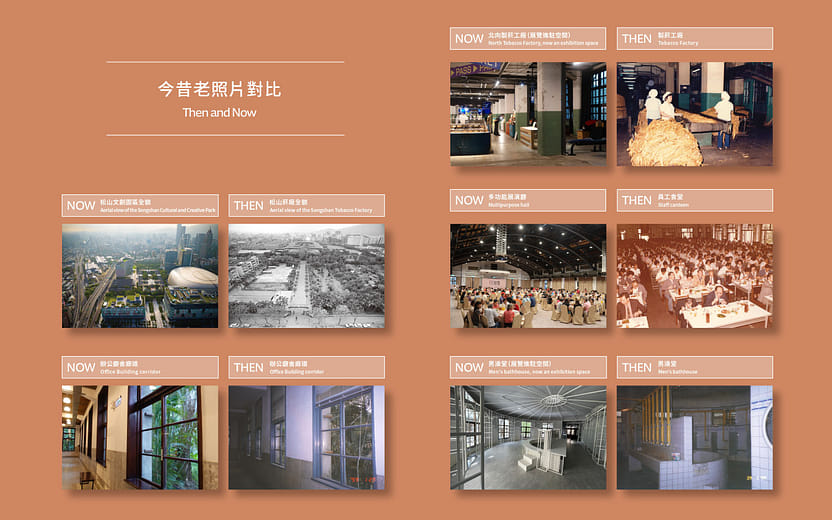
今日松山文創園區的所在位置依舊是1935年選定建置松山煙草工場的同一個區位。當時四周盡是農田,只有基礎的圳路和鐵路設施;今日四周則結合商圈和商辦大樓,且位於臺北市最年輕的行政區──信義區。松山文創園區不只在時代的節點上成為新舊共融的場域,也是促進交流的樞紐。
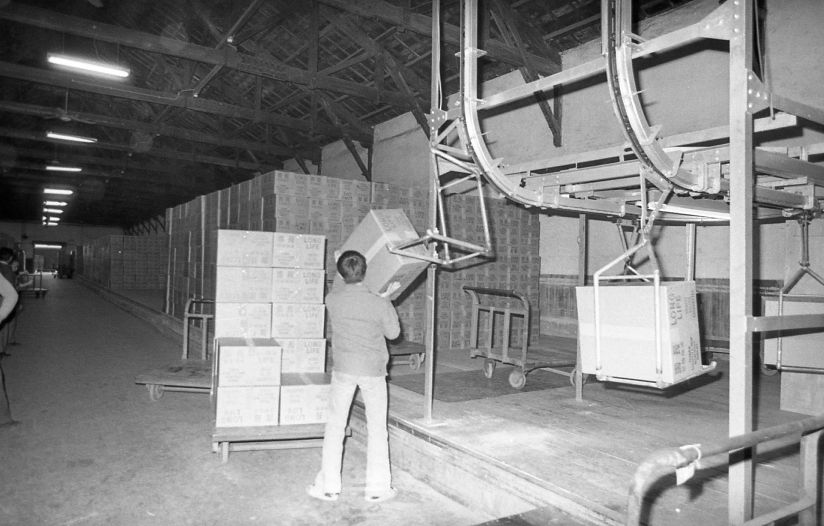
松山煙草工場從1939年啟用,到1998年全面停產關廠之間,場區內曾因應產能規劃,新增與遷移倉庫等建物,也因基地區域內的部分土地閒置,紛紛被其他單位借用,像是1974年韓國大使館興建、1979年內政部警政署刑事警察局興建。而松山菸廠停產之後到2011年轉型為松山文創園區對外開放期間,這塊基地的樣貌成為一個古蹟區加上兩個政府推動民間參與公共建設案的「大松菸基地」。
The present-day Songshan Cultural and Creative Park occupies the very same site chosen in 1935 for the construction of the Songshan Tobacco Factory. Back then, the surrounding area was mostly farmland with irrigation channels and railway facilities. Today, it surrounds the shopping and office buildings of Xinyi District, the youngest administrative district in Taipei City. Standing at the crossroads of eras, Songshan Cultural and Creative Park has become not only a place where old and new coexist, but also a hub for cultural exchange and connection.
Between the opening of the Songshan Tobacco Factory in 1939 and its complete closure in 1998, the site underwent numerous changes. Such as, warehouses and other structures were added or relocated to meet production demands. And some of the land within the site was used by other government agencies. These included the Embassy of the Republic of Korea, built in 1974, and the Criminal Investigation Bureau of the National Police Agency, built in 1979.
The location continues to evolve even after the Songshan Tobacco Factory closed. It was transformed into Songshan Cultural and Creative Park, which opened to the public in 2011. The site now consists of historical heritage and two Build-Operate-Transfer projects promoted by the government and run by private entities, known as The Songyan Base.
(松山文創園區、國史館臺灣文獻館 提供 Courtesy of Songshan Cultural and Creative Park and Taiwan Historica, Academia Historica)