臺灣戰後捲菸銷量變化 Changes in Cigarette Sales in Taiwan Post-WWII
菸業的興衰與產業轉型
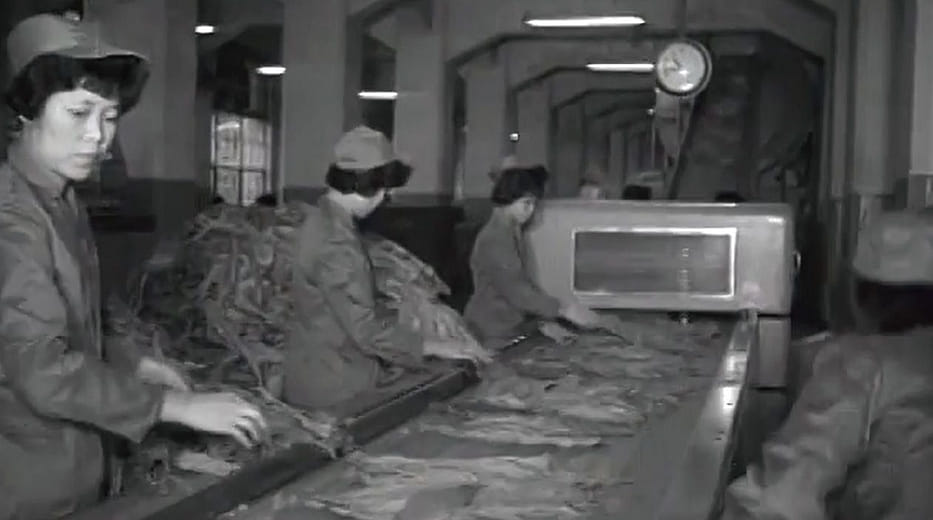
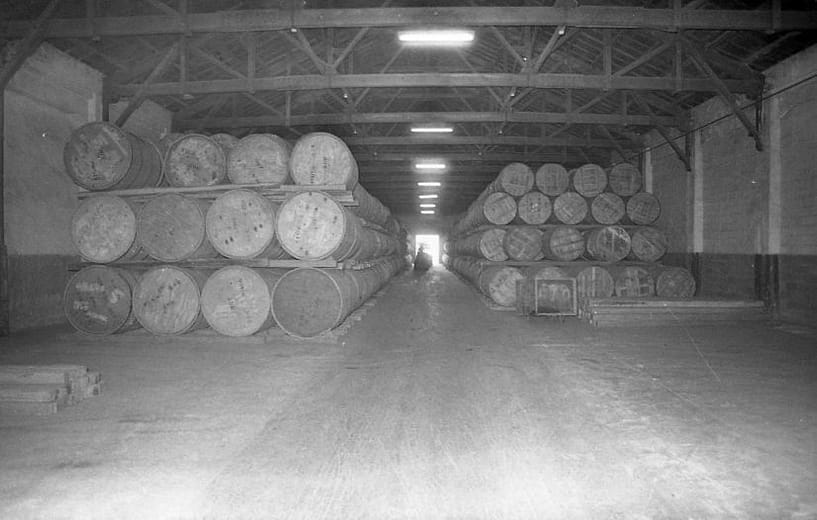
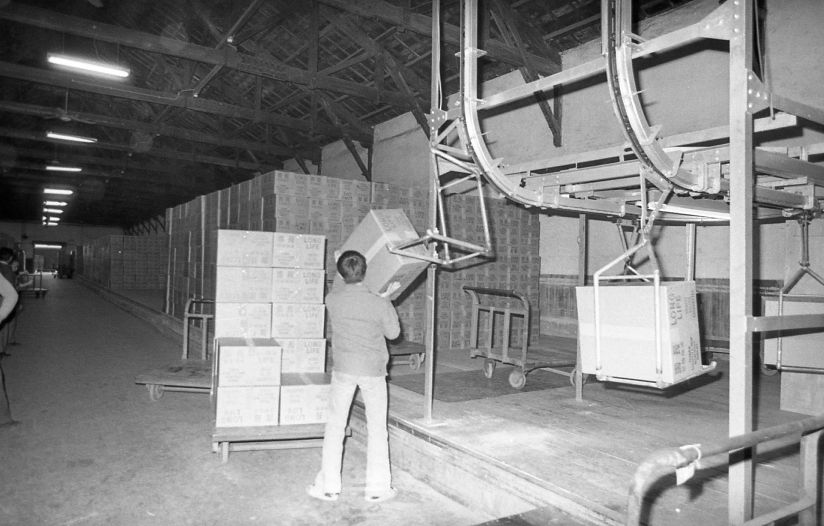
日治時期自1905年開始對煙草實施專賣制度,香菸即為日本殖民政府稅收的重要來源。國民政府遷臺後,1952年的菸酒公賣收入即躍升為政府總歲入第一名,高過營業盈餘與事業收入。1975年,捲菸年銷量正式突破200萬箱,並在1985年達到318萬箱的歷史銷量巔峰。
1987年時政府開放外國菸酒進口,在都市計畫、經濟轉型、專賣制度廢除等因素影響下,臺灣的菸業開始沒落,松山菸廠於1998年停止生產,遷併新店臺北菸廠,曾經輝煌的菸業時代劃下句點。
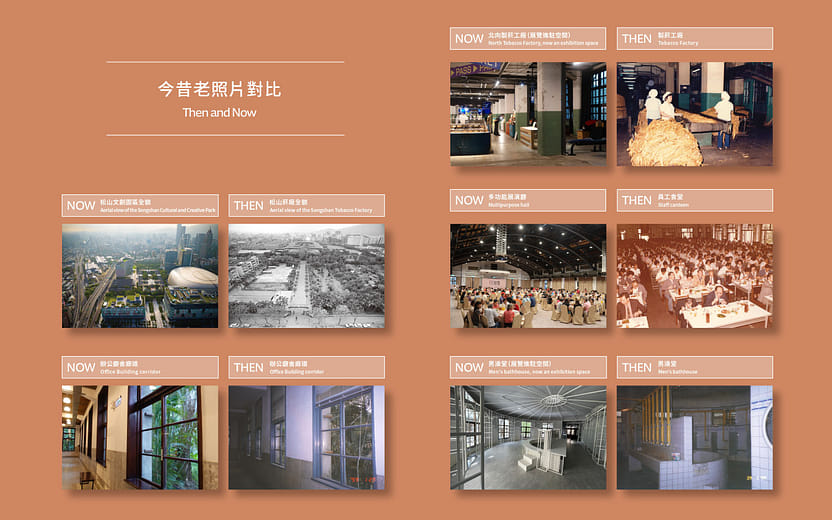
2001年,松山菸廠由臺北市政府指定為第99處市定古蹟,被視為重要文化資產,十年後,松山文創園區於2011年正式對外開放,搖身一變成為古蹟活化再利用的文化創意基地。
The Tobacco Industry: Rise, Fall, and Transition
When Japanese colonial period established a monopoly system over the industry in 1905, tobacco became an important source of government revenue in Taiwan. This continued after the Nationalist government relocated to Taiwan. By 1952, income from the monopoly's tobacco and alcohol sales had become the top source of government revenue, surpassing both tax receipts and profits from state-owned enterprises. The tobacco industry continued to grow: annual cigarette sales exceeded 2 million crates by 1975 and reached a historic peak of 3.18 million crates in 1985.
A turning point came in 1987 when the government lifted restrictions on the import of foreign tobacco and alcohol. This abolition of the state monopoly system, together with urban planning and economic transition, led to the decline of Taiwan's tobacco industry. Production at Songshan Tobacco Factory officially ceased in 1998 as remaining operations relocated to the Taipei Tobacco Factory, bringing the factory's prosperous era to a close.
Several years later, in 2001, the cultural value of the former Songshan Tobacco Factory was recognized when the Taipei City Government designated it as Taipei's 99th municipal historic site. A decade later, it transformed into the Songshan Cultural and Creative Park for the public, making a vibrant hub of cultural and creative activity.