黑色雋永是一個以樹皮纖維工藝為核心的設計品牌,團隊成員四人——王雅蘭、顏裴晏、佬祖·魯魯安及廖曉蓉,皆來自屏東,根植於排灣、魯凱族文化。我們相信,文化是流動的,唯有在日常中實踐與延續,才能讓它自然融入生活,成為我們的一部分。
Lumamiling is a design brand centered on the craft of tree-bark fiber. The four-member team—Zepulj Kaluvung, Yan Peiyan, Laucu Druluan, and Ciku Idung—hails from Pingtung and is deeply rooted in the cultures of the Paiwan and Rukai peoples. We believe that culture is fluid; only by practicing and perpetuating it in our daily lives can it naturally integrate into our existence and become an intrinsic part of who we are.
您希望觀眾在作品前感受到什麼?或帶著什麼問題離開展場?
What do you hope audiences will feel in front of the work, or what questions do you hope they will leave the exhibition with?
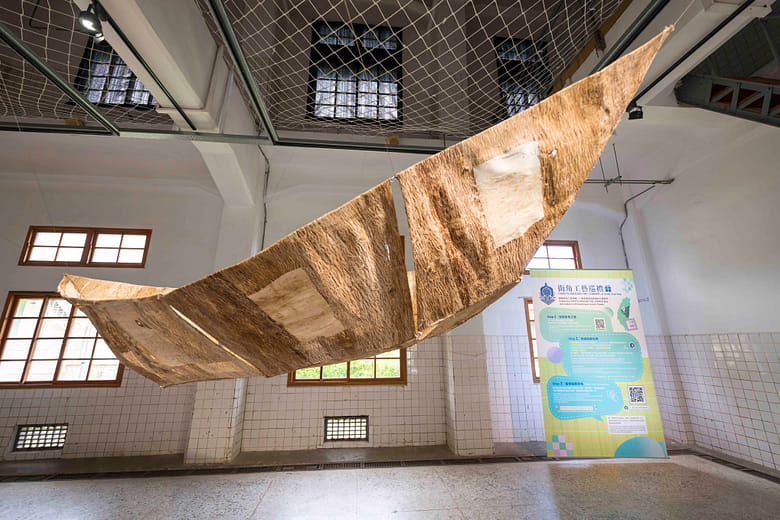
其實不一定希望觀眾第一眼就先知道這是一件「原住民族工藝」。我更希望大家先因為材料本身的質地、纖維、色彩,或者作品帶來的氛圍而停下來,覺得:「這是什麼材料?」然後再從這份好奇,慢慢認識構樹、樹皮布,以及它背後與土地和人的關係。我們使用的構樹,本來就是生活周遭非常普通的植物,可能長在路邊、廢棄空地,甚至常被當成雜木砍掉;這次作品使用的植物染料,例如咸豐草,也是在路邊隨處可見的小草。這些習以為常、甚至看似不起眼的植物,經過採集、敲打、延展與染色之後,卻會呈現出完全不同的樣貌。構樹的纖維細緻而不規則,每一片都有著不同的紋理與色澤,呈現彼此錯落交織的美感。當視線投入這些細微的紋理裡,好像會讓人不自覺地停住、靜下來,接著被自然本身的創造所感動。當我們屈膝接近地面採集,用珍惜的心與雙手,將這些習以為常的植物,慢慢變成生活中的物件,那樣的感動,也慢慢改變了我們觀看日常的方式,讓我們重新感受到自己與土地之間的連結。
I do not necessarily want viewers to immediately identify the work as “Indigenous craft.” I hope they first pause because of the material’s texture, fibers, colors, or atmosphere and wonder, “What is this made of?” From that curiosity, they can gradually discover paper mulberry, barkcloth, and their relationship with people and the land. Paper mulberry and plants such as beggar-ticks are common and often overlooked, yet through gathering, beating, stretching, and dyeing, they reveal completely different qualities. Their delicate, irregular fibers invite viewers to slow down and notice the creativity of nature. Working closely with these familiar plants has also changed how we see everyday life and renewed our connection with the land.
為什麼選擇透過工藝或手作技法來表現這個議題,而不是使用其他創作形式?
Why did you choose craft and handmaking techniques to address this issue, rather than other forms of artistic expression?
因為對我們來說,這個主題本身就不是只靠「說」可以完成的,而是一定要透過工藝製作的過程去理解。構樹要從真正走進環境裡尋找開始:哪裡有樹、哪一棵適合採、什麼季節採集、從哪裡鋸、樹皮怎麼剝、纖維怎麼敲打、乾燥之後又會產生什麼變化;接著才進到塑形、定型,以及如何與木材或燈具結構結合。甚至當我們開始持續使用這項材料,也必須進一步思考採集地要怎麼永續管理。這些事情都必須透過身體去理解,也需要用實際的生活經驗,慢慢累積解決問題的能力。所以工藝對我們而言,不只是看得見的一種「形式」,而是一個持續認識土地,以及解決生活問題的方法。我常覺得,部落長輩可能沒有學過現在所說的 Design Thinking,但他們其實一直都在做類似的事情;「從生活中發現需求,動手嘗試,使用之後發現問題,再重新調整。」我們的傳統文化智慧,就是在這樣的生活方式中一點一點累積下來的。而現代的我們,如果要繼續延續這樣的文化,就不能只是複製過去的形式,而是要親身去做、去感受,在土地上累積屬於自己的生活經驗,再從這些經驗裡,創造出屬於這個時代的智慧。
For us, this subject cannot be understood through words alone; it has to be learned through making. Working with paper mulberry begins with entering the environment—finding suitable trees, understanding the right season for harvesting, peeling and beating the bark, drying the fibers, shaping the material, and eventually combining it with wood or lighting structures. Continued use also raises questions of sustainable harvesting. Craft is therefore not simply a visible “form,” but a way of understanding the land and solving everyday problems through experience. Traditional knowledge was built through a similar process of observing needs, trying, using, and adjusting. To carry that culture forward today, we cannot simply copy old forms; we need to create new knowledge through our own lived experience with the land.
當傳統文化、地方記憶或環境議題逐漸被淡忘時,您認為藝術與工藝能扮演什麼樣的角色?
As traditional culture, local memories, or environmental issues fade, what role can art and craft play?
我覺得藝術與工藝很重要的一個角色,是讓文化不只停留在「被保存」,而是有機會重新進入現在的生活。因為如果一個傳統只存在博物館、文獻或展示櫃裡,我們可能知道它很重要,卻不一定真的跟它產生關係。這其實也是我以前很深的感受——知道那些文化知識重要,卻覺得與自己無關。但當傳統工藝重新成為今天可以使用的燈具、家具或生活器物,它與人的關係就會開始改變。我們並不是希望把過去的形式完全複製回來,而是去理解祖先為什麼選擇這個植物、怎麼使用材料,再思考這份智慧放到今天,可以產生什麼新的可能。所以我認為工藝可以像是一座橋。一邊連結過去累積下來的知識,一邊面對現在的生活。只要人還願意繼續採集、製作、使用、討論,它就不是一個已經結束的文化,而仍然是一個持續發生的文化。這也和我們一直相信的事情很接近:文化是流動的,唯有在日常中實踐與延續,才能自然成為生活的一部分。
I believe an important role of art and craft is to bring culture back into everyday life rather than simply “preserve” it. A tradition kept only in museums or archives may be recognized as important without becoming personally meaningful. When traditional craft is transformed into lighting, furniture, or everyday objects, our relationship with it changes. The goal is not to reproduce the past exactly, but to understand why earlier generations chose certain plants and materials, and to explore what that knowledge can become today. Craft can act as a bridge between inherited knowledge and contemporary life. As long as people continue to gather, make, use, and discuss it, culture remains alive and evolving.
將傳統樹皮布工藝轉化為家具與家飾品的過程中,您們曾遇到最困難的挑戰是什麼?
What has been the greatest challenge in transforming traditional barkcloth craft into furniture and home accessories?
過去傳統的構樹皮布主要是用來製作衣服,當我們想把這項工藝轉化為家具與家飾品時,其實不能只是把原本的材料換到另一個物件上,而是要重新從現代人的生活環境與使用習慣開始觀察。我們花了很多時間去研究,構樹皮適合運用在哪些地方?怎麼使用會比較實用?又要用什麼樣的形式,才能最展現構樹纖維本身的美?這個過程中,我們嘗試過很多不同的方法與品項,再從一次次的製作與使用中調整,慢慢找到適合這項材料的方向。而真正困難的,也不只是想到「我要把樹皮做成燈」這件事情,而是如何讓它從一件創作,變成一個可以長期、穩定製作與使用的產品。因為自然材料不像工業材料那麼一致。不同季節、不同生長環境,甚至同一片土地上的不同構樹,樹皮厚度、含水量、纖維狀態都可能不一樣。採集之後,怎麼敲、怎麼乾燥、怎麼塑形,也都會影響最後的成果。一開始我們幾乎每往前走一步,就會產生下一個問題:要採哪一棵?多長才夠做一盞燈?怎麼讓造型固定?面漆怎麼選?燈座和線路怎麼藏?比例怎樣才好看?而當品牌慢慢發展之後,問題又會從「做不做得出來」,變成「能不能穩定做出來」。包含品質控制、耐用度、製作效率,以及採集量增加後,如何維持材料來源的永續。所以最大的挑戰,其實是找到一個平衡:一方面保留天然材料每一件都不同的特質與構樹纖維本身的美,另一方面又要讓它真正適合現代人的生活,具備生活用品需要的實用性與穩定性。這個過程到現在都還在持續,我覺得工藝本來就是在一次次的嘗試、使用與調整中,慢慢找到屬於這個時代的樣子。
Traditional paper mulberry barkcloth was mainly used for clothing, so adapting it to furniture and home accessories required more than simply applying the material to new objects. We had to reconsider how people live today, where barkcloth could be practical, and how best to reveal the beauty of its fibers. The greatest challenge has been turning an individual creation into a product that can be made and used consistently over time. Natural materials vary by season, growing conditions, thickness, moisture, and fiber quality, while every step of beating, drying, and shaping affects the result. As the brand developed, the question shifted from “Can we make it?” to “Can we make it reliably?” The key is finding a balance between preserving the uniqueness of the natural material and meeting contemporary needs for practicality, durability, quality, and sustainable sourcing.
如果觀眾想更深入認識構樹文化、樹皮布工藝或原住民族傳統工藝,您建議從什麼地方開始接觸?
If visitors want to learn more about paper mulberry culture, barkcloth, or Indigenous traditional craft, where would you suggest they begin?
我會建議先不要急著從「哪一族有什麼工藝」或「看書學製作步驟」開始,反而可以先從生活開始。甚至我不太會建議從 DIY 體驗課程開始(笑)。因為在體驗課程裡,老師通常已經幫我們把材料準備好,也完成了許多繁瑣的前置作業,我們接觸到的往往只是工藝製作過程中的其中一小段。如果有機會,我反而很推薦跟著工藝師一起生活、一起工作。這也是我自己過去學習工藝的方式。跟著他們去採集,看看身邊生長著什麼植物、什麼季節適合採、材料要去哪裡找;也看看他們怎麼工作、怎麼使用工具,以及怎麼面對生活裡突然發生的問題。後來我才發現,在這個過程中,我學到的其實不只是「技術」。很多時候,真正學到的是一種生活的能力,甚至包含怎麼與人相處、怎麼工作、怎麼面對環境,以及怎麼珍惜手上取得的材料。工藝技術只是這整個生活經驗裡的一部分。因為工藝最初並不是為了成為「工藝品」而存在,它原本就是人們在生活中,為了回應環境與需求,一點一點累積出來的方法。所以如果真的想深入理解原住民族傳統工藝,我覺得最好的方式不是只去「學一個技法」,而是試著靠近孕育這項工藝的生活。當你開始理解人怎麼生活、怎麼與土地相處,也會慢慢理解,為什麼這項工藝會以這樣的方式存在。
I would suggest beginning with everyday life rather than immediately studying which craft belongs to which community or learning techniques from a book. Even a DIY workshop often shows only one small part of the process because much of the material preparation has already been done. If possible, I recommend spending time living and working alongside craftspeople—gathering materials, observing seasonal changes, learning how tools are used, and seeing how they respond to everyday problems. What you learn is not only technique, but also ways of working, relating to others, understanding the environment, and valuing materials. Craft originally developed as a response to life and the surrounding environment. To truly understand Indigenous traditional craft, it is therefore important to approach the way of life that gave rise to it.