「米」是我們隨處可得的糧食,伴隨著經濟蓬勃發展,我國飲食多樣化,使現代人的選擇更加多元,而造成米食不再是國人的首要選擇,進而導致現今米的價值持續下降。
根據農委會2020年統計資料,台灣糧食自給率下滑至31.7%,國人食米量剩於44.1公斤,跌到史上最低,糧食自給率下滑原因含旱災稻田停灌休耕、空氣污染、蟲害等因素,導致未來米將漸漸消失在我們的環境中……。
以「米立」為命題,詮釋「米」字為整個專題的主角,也傳達「立」字為立竿見影的意象,合併即為米的單位量詞,利用一粒米貫穿此專題的核心概念。
透過推測台灣「未來沒有米」的視角,想像各種天災人禍,當那份日常已質變且消失,使人們反思米的獨特性,並意識到米不只是食物,更是隱藏在人與土地之間的重要角色,彰顯台灣稻米的價值。
「未來如果沒有米會造成什麼影響呢?」
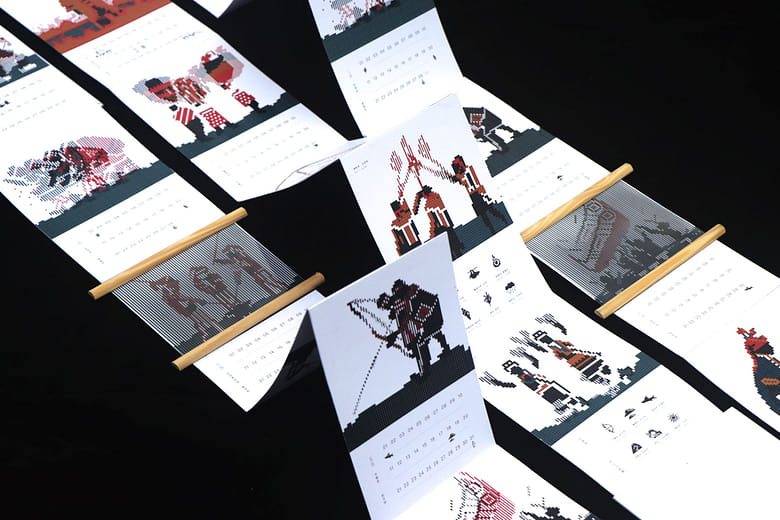
本組作品推測之世界觀建立於2080年米已消失在環境中,科學家們找到僅存的一粒米,發現它擁有12種基因突變,從每個年代所發生的不同事件進行紀錄,結合基因擁有存取過往記憶的特性,透過紫外線光讀取,探索過往米與人類、自然相處的種種回憶。
以動態影像呈現米基因突變下的影響與發展,研究資料板記載著此事件造成基因突變的因果,配合詮釋米過去畫面的12個基因玻片,進而探索未來與現在的連結,使人們反思其中蘊含的意義。
願能拼回米美好回憶的拼圖,讓米自己發聲,捍衛自己的價值!
-
"Rice" is a food that is readily available to us, but with the booming economy and the diversification of our diets, the choices of modern people have become more diverse, resulting in a steady decline in the value of rice today.
According to the Council of Agriculture's 2020 statistics, Taiwan's food self-sufficiency rate fell to 31.7%, with the amount of rice available for the nation's population at 44.1 kilograms, falling to an all-time low.
With the theme of "米立", the word "米" is interpreted as the main character of the whole project, and the word "立" is also conveyed as the image of an immediate effect. This is combined with the unit word of rice, using a grain of rice to penetrate the core concept of this project.
From the perspective of a future without rice in Taiwan, and imagining various natural and man-made disasters that could change and disrupt everyday life, people reflect on the uniqueness of rice and realize that it is not only a food, but also plays an important role in connecting people and the land, highlighting the value of rice in Taiwan.
"What will be the impact if there is no rice in the future?"
The worldview of this group of works is based on the fact that rice has disappeared from the environment by 2080. Scientists found the only remaining grain of rice and discovered that it had 12 types of genetic mutations.
The twelve genetic slides that interpret the past of rice are used to explore the connection between the future and the present, and to make people reflect upon the meaning of the event.
Maybe spelling out the rice fond memories of the puzzle will help the rice to voice their own values and defend them!